
Published 2026-02-28

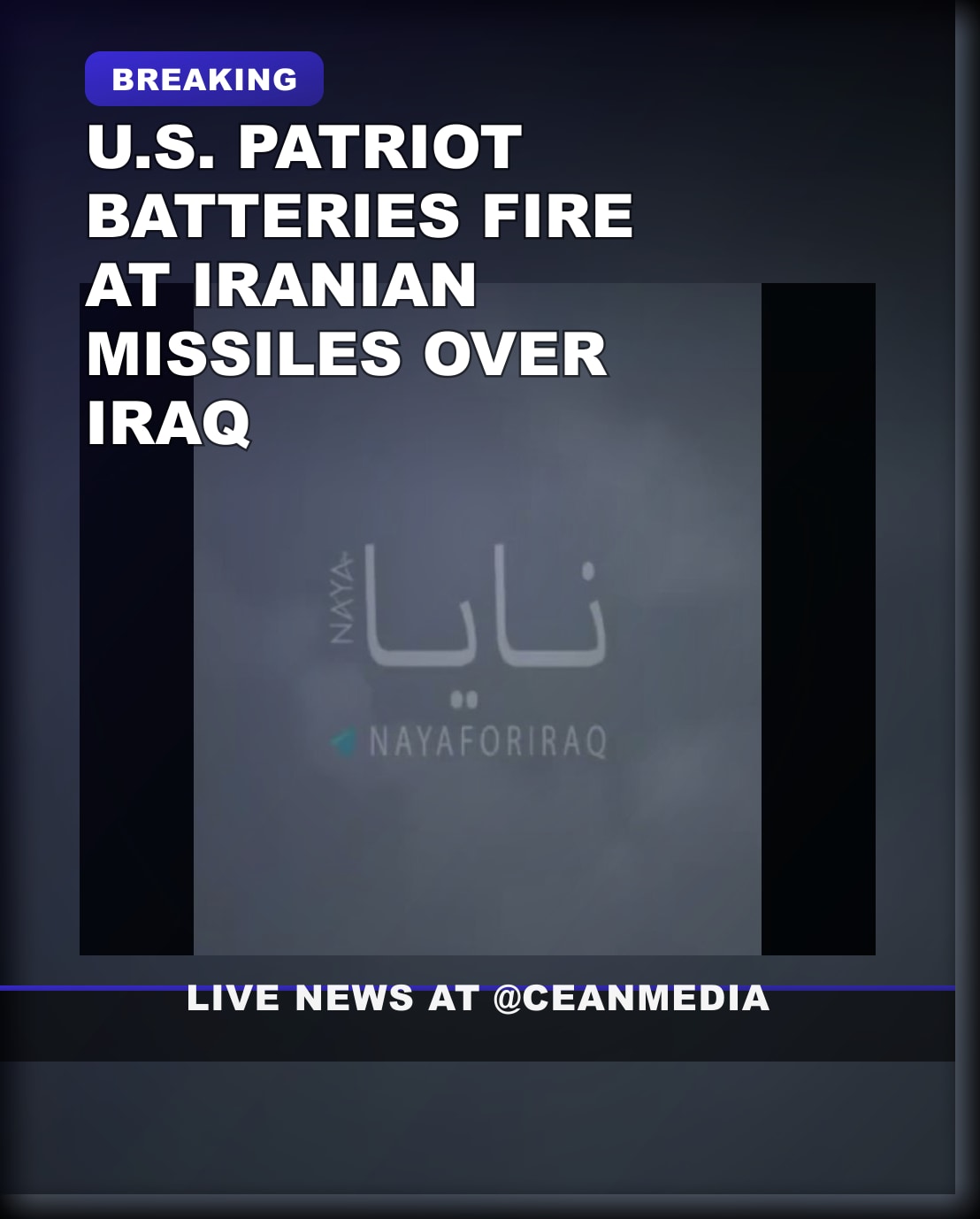
Summary: U.S. Patriot missile defense batteries have been referenced in reporting as attempting to down Iranian missiles over Iraq, with broader context noting that Patriot systems are deployed amid regional tensions and are a costly, finite resource within U.S. air and missile defense capabilities.
What We Know
- Patriot missile defense batteries are an integral component of U.S. air and missile defense operations.
- Patriot interceptors are described as expensive and limited in supply.
- There have been reports of Patriot batteries deployed in the Middle East earlier in the year, with some references noting they returned to South Korea.
- public sources indicates heightened US defensive postures in the region and the possibility that U.S. installations could be targeted in a broader regional crisis.
- There is scholarly/press discussion about US defense assets, including THAAD and Patriot batteries, being stationed at bases across the region as part of deterrence and readiness postures.
What’s Still Unclear
- Specific locations, dates, and operational status of any Patriot batteries currently in the Middle East or over Iraq are not confirmed in the available information.
- Whether Patriot batteries in Korea or elsewhere are presently deployed or redeployed at this exact moment is not explicit in the provided sources.
- Details on ongoing or planned future deployments, cadence, or rules of engagement for these batteries are not specified.
Context
Patriot missiles are a key element of U.S. air and missile defense capabilities, designed to intercept short- to medium-range ballistic missiles and other aerial threats. In the broader regional security environment involving Iran and allied or allied-adjacent actors, the United States has historically adjusted force postures and defense asset deployments to deter and respond to potential threats while managing resource constraints.
Why It Matters
The deployment and use of Patriot systems intersect with regional deterrence, alliance signaling, and the management of expensive, limited defense assets. News about their activity can influence perceptions of crisis readiness and the potential scale of U.S. defensive commitments in the Middle East.
What to Watch Next
- Official updates on the current disposition of Patriot and other missile defense batteries in the region.
- Any statements from U.S. defense officials clarifying deployment policies, limitations, and operational status of Patriot systems.
- Analysis of how Patriot deployments relate to broader U.S. deterrence posture in the Middle East and surrounding theaters.
FAQ
Q: Are Patriot missiles actively intercepting threats over Iraq right now?
A: The available information notes attempts or reports, but specific real-time interception status is not confirmed in the provided sources.
Q: Have Patriot batteries returned from the Middle East to other regions?
A: Some sources indicate previous deployments to the Middle East and subsequent return to South Korea; current status is not explicitly confirmed here.
Related coverage
- Iranian women celebrate removing Khamenei as US strikes
- US strikes Tehran military sites reported by sources
- Geert Wilders PVV statement shocks on Tehran ties
Source Transparency
- This article is based on a short preliminary brief and may not reflect the full details available in ongoing reporting.
- Source links are provided in the Sources section where available.
- A limited open-web check was used to clarify key details when possible; unclear items remain clearly marked.
Original brief: BREAKING:
U.S. Patriot missile defense batteries are trying to down Iranian missiles over Iraq…
Sources
- South Korea Urges US Support After Patriot System Redeployment Creates …
- The military buildup map behind Trump's Iran decision
- US Patriot missile batteries return to S. Korea after Middle East …
- Largest Patriot Missile Salvo In U.S. Military History Launched …
- PATRIOT Air and Missile Defense System for Ukraine