
Published 2026-03-05

Summary: Reports indicate that Islamism-linked factions within Sudan’s armed forces are asserting hardline aims, including alignment with Iran and calls for Sudan to be governed by clerics. The situation reflects widening rifts between the Sudanese Armed Forces and regional allies and follows sanctions related to Islamist networks with links to Iran.
What We Know
- There are reports of a surge in Islamism widening rifts between the Sudanese army and regional allies.
- Some elements within the Sudanese Armed Forces are described as backing the Islamic Regime in Iran to 100% and advocating for Sudan to be governed by clerics.
- Sanctions were imposed on a Sudanese armed group leader and an Islamist militia with links to Iran, indicating international concern about extremist networks.
- Context notes that the Sudanese war environment has allowed latent Islamist networks to resurface and push violence-oriented agendas.
- Public discussion of Islamist influence in the SAF has been reported by think tanks and U.S. government statements, signaling ongoing geopolitical sensitivity.
What’s Still Unclear
- Whether the Islamist influence within the SAF translates into concrete plans to wage war or remains as posturing and internal power struggles.
- The exact identities and reach of the networks described as resurfacing within Sudan’s security apparatus.
- The direct impact of these dynamics on Sudan’s internal stability and on regional security in the Red Sea and neighboring states.
- Specific mechanisms by which Islamist actors might influence the army beyond general mentions of plots and resurgence.
- Any changes in leadership or policy within the SAF that have occurred or are planned as a response to these pressures.
Context
General background: Sudan has experienced internal conflict and a complex civil-wars-era environment since 2023, with competing military factions and evolving ideological currents. Regional powers watch Sudan’s trajectory closely due to its strategic location and historical ties to various regional movements and external actors. Broadly, heightened Islamist currents in security institutions can influence governance, alliances, and conflict dynamics, but the specifics often depend on internal political shifts and external pressures.
Why It Matters
If Islamist influence within the SAF translates into formal policy shifts or alliances, it could affect Sudan’s domestic stability, its relations with Gulf states and Western partners, and regional security dynamics in the Red Sea and wider Middle East. International responses, including sanctions or diplomacy, may shape the trajectory of Sudan’s governance and security environment.
What to Watch Next
- Any official statements or policy shifts from the Sudanese government or SAF addressing Islamist influence or clerical governance.
- New sanctions or diplomatic actions by Western governments related to Islamist networks connected to Sudan.
- Public reporting on internal power struggles within the SAF and their impact on security policy.
- Developments in Sudan’s regional relations, particularly with Gulf states and Iran-aligned actors.
FAQ
Q: What is the basis for claiming Islamist influence within the SAF?
A: Reports describe Islamist elements within the SAF asserting hardline stances and ties to Iran, alongside broader analyses of surging Islamism and rifts with regional allies; specifics of these claims are not fully detailed in available sources.
Q: Are there confirmed plans for obtaining war or violence by these groups?
A: The available information notes threats and posturing but does not confirm concrete operational plans or dates; risk assessments point to concern but require further corroboration.
Related coverage
- B-2 Strategic Bombing Capability Questioning Iran Strikes
- Oil derivatives contracts demand hedging by airlines amid
- Iran’s Grand Ayatollah issues fatwa urging violence against
Source Transparency
- This article is based on a short preliminary brief and may not reflect the full details available in ongoing reporting.
- Source links are provided in the Sources section where available.
- A limited open-web check was used to clarify key details when possible; unclear items remain clearly marked.
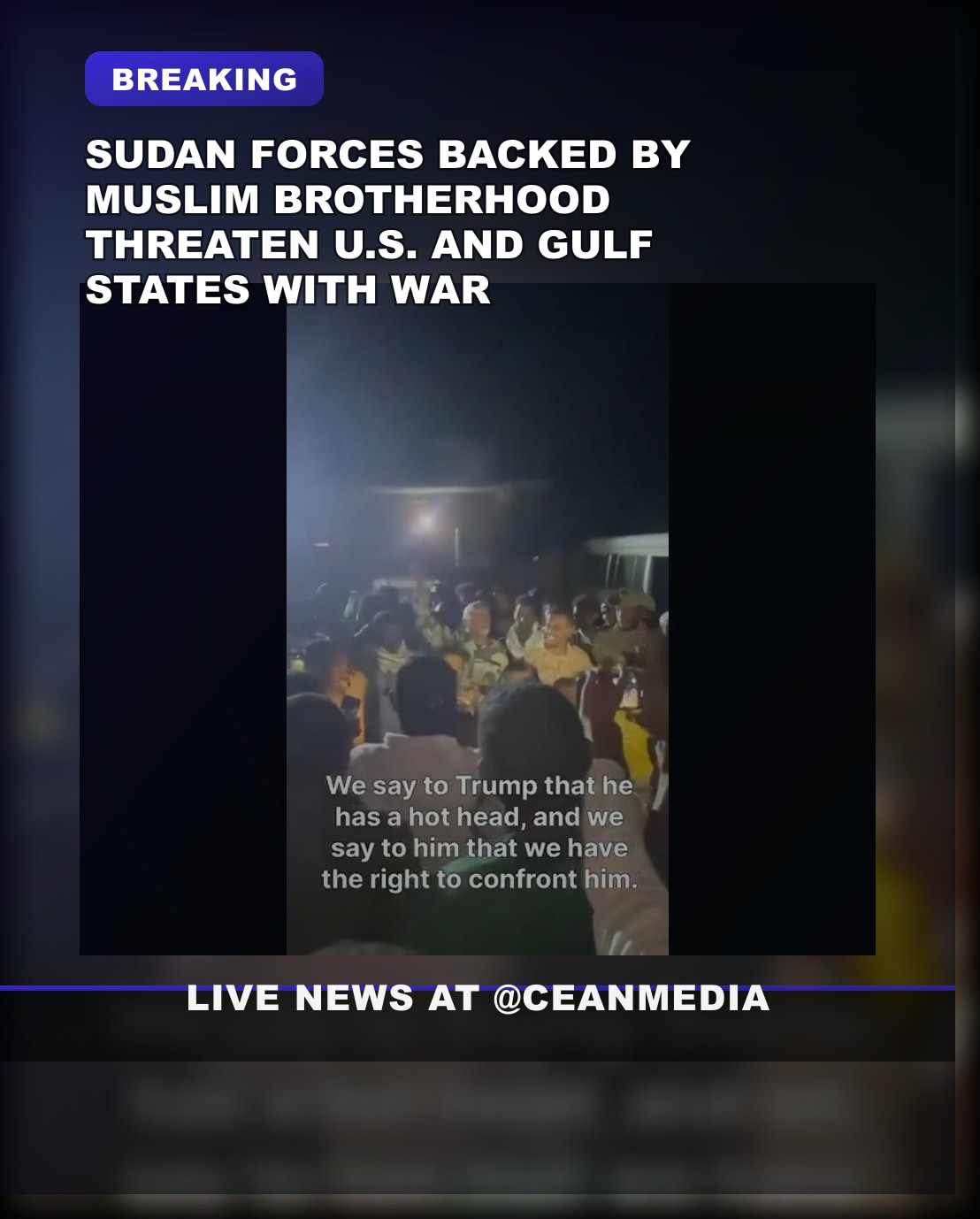
Original brief: Muslim Brotherhood elements within the Sudanese Armed Forces (SAF) are now threatening the U.S. and the Gulf states with war.
They say that they back the Islamic Regime in Iran to 100% and that they also want Sudan to be an Islamist states governed by clerics…
Sources
- A Surge in Islamism Widens Rift Between Sudanese Army and Its Regional …
- Sanctioning Sudanese Armed Group Leader and Islamist Militia with Links …
- Return of extremism: Shadow actors in Sudan's war
- Insight: Sudan's Islamists plot post-war comeback by supporting army
- Resurgence of Islamists in Sudan raises alarm amidst war and army rule