
Published 2026-03-07
Summary: Oil shipping customers are diversifying fleets to move crude from the US Gulf Coast to Asia, with smaller vessels being booked as costs rise for large tankers. The shift aligns with broader trends in crude tanker markets and Gulf trade networks exploring diversification amid volatility.
What We Know
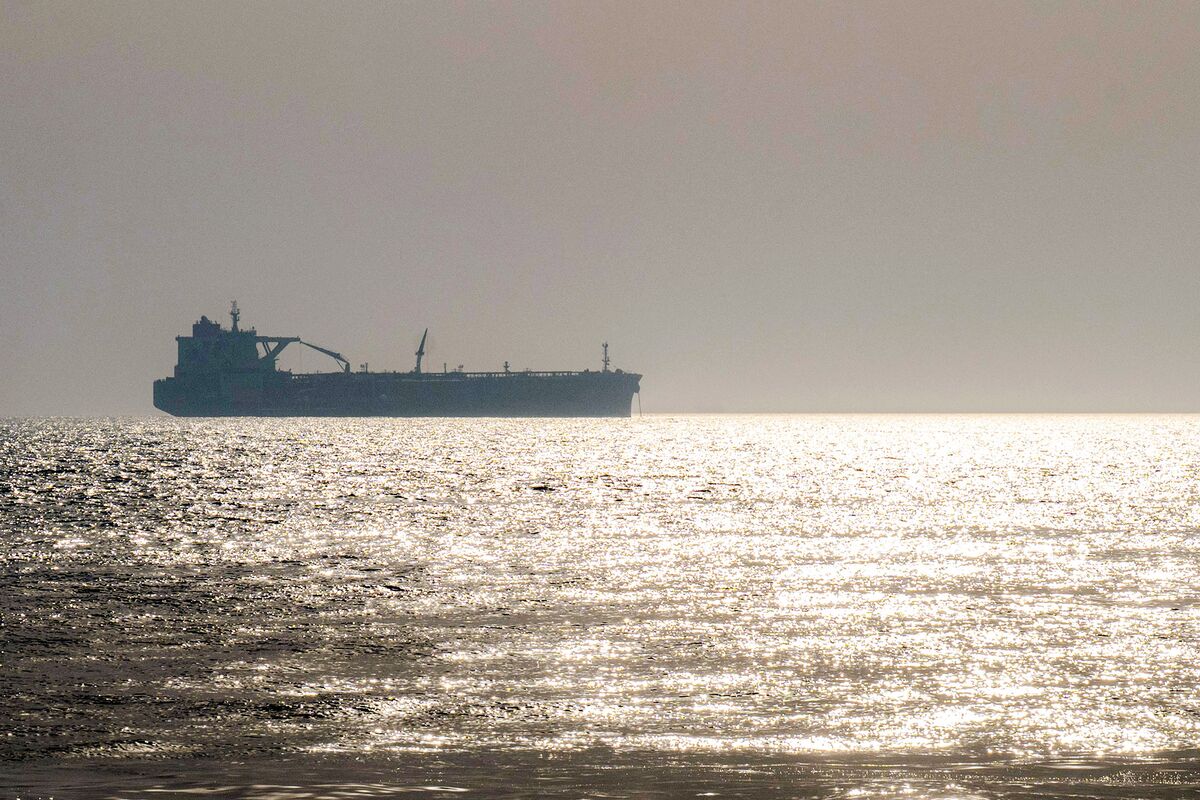
- Shippers are booking smaller vessels to transport oil from the US Gulf Coast to Asia as costs rise for massive tankers.
- Asian freight shifts and fleet renewal are noted topics in crude tanker markets with a focus toward end-2025.
- Oil exports are linked to a surge in VLCC demand as shipowners shift strategy.
- Gulf NOCs are reported to fund tanker fleet expansions after a bumper year in 2024, indicating regional interest in fleet diversification.
- Geopolitical factors such as potential Strait of Hormuz disruption could lead to rerouting via the Cape of Good Hope, increasing transit times and fuel consumption.
What’s Still Unclear
- Specific quantitative impact on Gulf-Asia oil trade volumes resulting from fleet diversification.
- How quickly the shift to smaller vessels will scale and which routes are most affected beyond the Gulf Coast–Asia corridor.
- Whether diversification primarily reflects fleet financing strategies or directly influences actual trade flows.
- Exact details of any identified vessel types or capacity changes involved in this diversification.
Context
The global crude tanker market has been witnessing shifts in freight patterns and fleet renewal, with emphasis on Asian demand and strategic routing. Gulf trade networks are evolving as regional players consider diversification to manage volatility, costs, and potential disruptions in traditional routes.
Why It Matters
As shipping costs and routing risks influence crude flows, diversification of the oil shipping fleet could affect trade logistics, transit times, and regional energy dynamics between the Gulf and Asia. Stakeholders in oil logistics, maritime finance, and policy will be monitoring how fleet choices translate into supply commitments and costs.
What to Watch Next
- Any official industry commentary on shifts in tanker fleet composition and deployment patterns toward Asianbound routes.
- Updates on VLCC demand trends and how shipowners adjust strategies in response to changing freight markets.
- Details on Gulf NOC-led fleet expansion plans and resulting impacts on regional tanker capacity.
- Potential rerouting implications if chokepoints become disrupted and alternative paths are utilized.
FAQ
Q: What is driving the use of smaller vessels for Gulf Coast to Asia oil shipments?
A: The article notes rising costs for large tankers, prompting shippers to explore smaller vessels, but precise drivers and vessel types are not detailed in the available information.
Q: Are there confirmed numbers on how much trade volume might be affected by this diversification?
A: Not confirmed in the available information.
Related coverage
- Ukraine drone cooperation talks emerge in U.S., Gulf deals
- TA Eyes Gong cha sale consideration, sources say
- LINK technical analysis: Outlook, ETF Flows in 2026
Source Transparency
- This article is based on a short preliminary brief and may not reflect the full details available in ongoing reporting.
- Source links are provided in the Sources section where available.
- A limited open-web check was used to clarify key details when possible; unclear items remain clearly marked.
Original brief: In a desperate bid to transport oil from the US Gulf Coast to Asia, shippers have taken the unusual step of booking smaller vessels as costs soar for the massive tankers typically used…
Sources
- Crude tanker markets focus on Asian freight shifts, fleet renewal …
- Oil exports drive VLCC demand surge as shipowners shift strategy
- Gulf NOCs Fund Tanker Fleet Expansions After Bumper Year…
- Strait of Hormuz Maritime Blockade and Its Economic Impact
- The GCC's Evolving Trade Networks: Navigating Fragmentation and …