
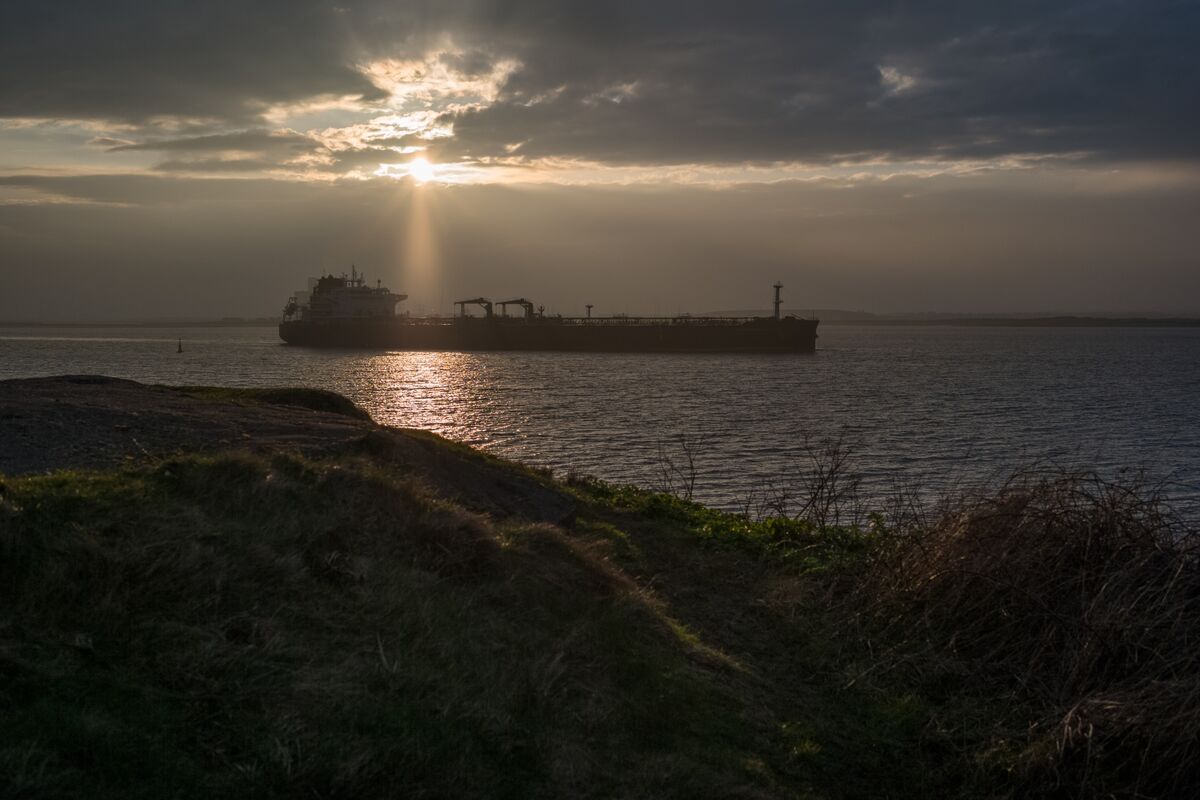
Published 2026-03-10
Summary: Clusters of ships near the Strait of Hormuz coincide with reports of elevated electronic interference in navigation signals, amid ongoing tensions involving Iran, Israel, and allied waters. The situation intersects maritime security, GNSS interference, and global shipping disruptions in a strategically sensitive corridor.
What We Know
- At least a dozen clusters of ships have appeared near the Strait of Hormuz, which may indicate elevated electronic interference around the waterway.
- Reports describe GNSS navigation signal jamming and other interference affecting vessels in the Strait of Hormuz and the Persian Gulf, with hundreds to over a thousand ships cited in various accounts.
- There is a broader context of shipping disruption in the region, including reports of ships stranded and damage or casualties linked to drone and missile attacks.
- Industry and news outlets have highlighted that interference and disruptions in this corridor can influence global shipping costs, energy prices, and supply chains, even if temporary.
What’s Still Unclear
- Exact current numbers and the precise scope of ships affected by the interference, as sources provide varying counts (e.g., hundreds to over a thousand).
- The specific technologies involved in the interference (GNSS vs AIS or other systems) and whether multiple, independent incidents are being conflated under a single description.
- How directly the observed ship clusters correlate with recent geopolitical actions versus separate maritime security events in the region.
Context
The Strait of Hormuz is a critical chokepoint for global energy shipments. In recent years, geopolitical tensions in the Middle East have intersected with maritime security, potentially affecting navigation reliability and shipping logistics. Interference with navigation signals, including GNSS, can complicate vessel routing, harboring decisions, and incident response in a high-traffic corridor.
Why It Matters
Interference and disruption in the Hormuz corridor can influence global trade flows, energy pricing, and the cost and complexity of maritime operations. An escalation in navigation disruption, even temporary, may prompt shipping reroutes, insurance considerations, and regional security concerns.
What to Watch Next
- Official statements or technical analyses clarifying the nature and attribution of navigation interference in the region.
- Updates on ship movements, stranded vessels, or casualties related to the broader disruption narrative.
- Any changes in shipping guidance, insurance risk assessments, or port and harbor operations affecting the Hormuz corridor.
- New reporting on how this situation is affecting energy markets and global shipping costs.
FAQ
Q: What is driving the ship clusters near Hormuz?
A: Available information points to elevated electronic interference around the waterway, but precise causes and attribution are not fully confirmed in the sources provided.
Q: Are the GNSS interference reports tied to a single incident or multiple events?
A: The material indicates widespread interference in the region, with multiple sources citing GNSS-related disruption; the exact number and timing of separate events are not consistently detailed.
Related coverage
- Senate Democrats threaten war powers votes on Iran hearings
- Aluminum price retreat Iran war signal
- Former Qatari PM: As soon as we would back all sides in
Source Transparency
- This article is based on a short preliminary brief and may not reflect the full details available in ongoing reporting.
- Source links are provided in the Sources section where available.
- A limited open-web check was used to clarify key details when possible; unclear items remain clearly marked.
Original brief: At least a dozen clusters of ships have appeared near the Strait of Hormuz, a likely sign of elevated electronic interference around the waterway that’s central to the US and Israeli war against Iran…
Sources
- Surge in GPS interference around Strait of Hormuz increases shipping …
- GNSS Interference Complicates Navigation as Hormuz Shipping Disruption …
- Strait of Hormuz crisis explained: What it means for global shipping – CNBC
- GPS Jamming Disrupts 1,100 Ships in the Middle East Gulf
- 2026 Strait of Hormuz crisis – Wikipedia