
Published 2026-05-13
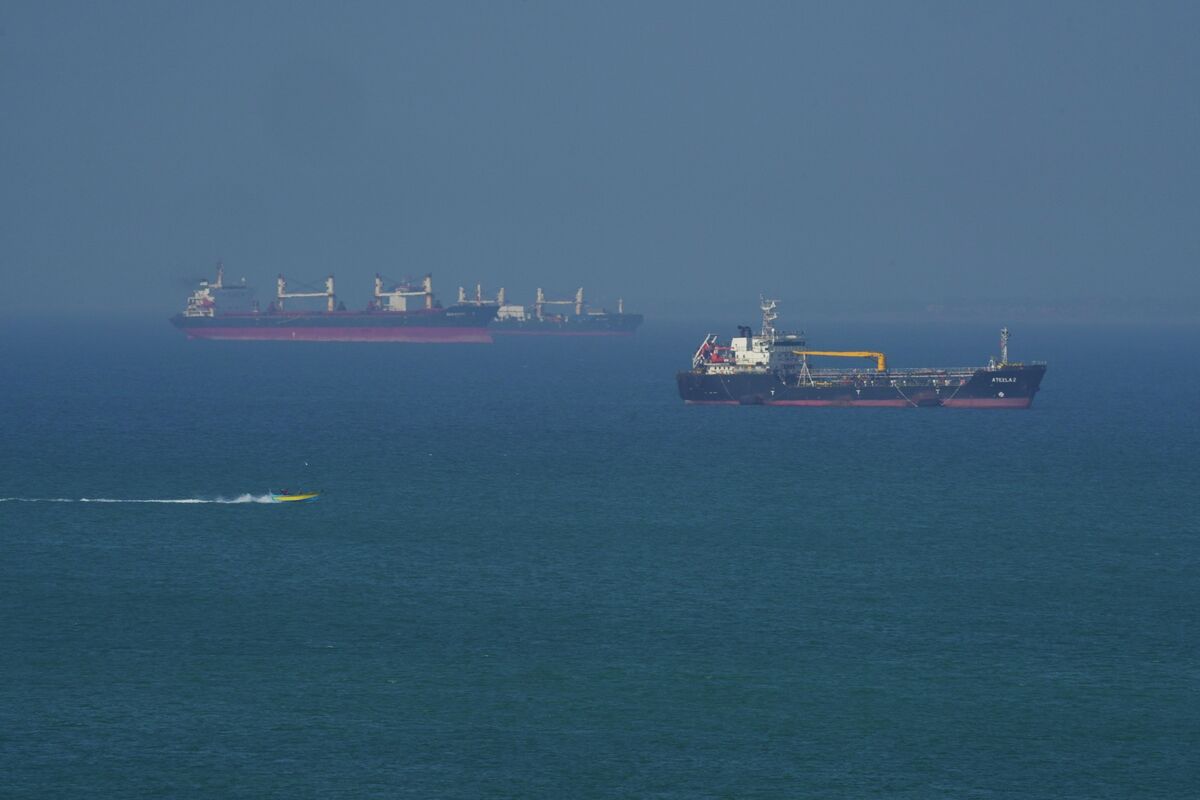
Summary: Flows of crude oil and fuels through the Strait of Hormuz fell dramatically in early 2026, contributing to a global energy shock. Reported shutdowns across several Gulf producers in March intensified supply concerns and sent prices higher, with storage filling quickly in oil-dependent states.
What We Know
- In the first quarter of 2026, flows of crude oil and fuels through the Strait of Hormuz fell by nearly 6 million barrels per day.
- Global oil production saw shutdowns in March totaling about 7.5 million barrels per day across Iraq, Saudi Arabia, Kuwait, UAE, Qatar, and Bahrain.
- Oil storage is filling quickly in countries that rely on the Strait of Hormuz for exports, signaling tight near-term balance in global markets.
- The disruption is described as the start of a seismic energy shock that has upended global supplies and sent prices surging.
What’s Still Unclear
- Whether the 7.5 million b/d March figure is final or preliminary, and whether production shut-ins will rise further beyond March.
- The exact duration of the Hormuz disruption and its persistence beyond March 2026.
- Precise, long-term impacts on global energy markets and economies beyond the reported storage fills and shut-ins.
- Specifics on which pipelines or facilities were affected and the causes of the disruption are not detailed in the available information.
Context
Geopolitical and logistical tensions around critical energy corridors often influence global oil markets. The Strait of Hormuz is a key chokepoint for oil and fuels leaving the Middle East, and disruptions there can have outsized effects on supply, pricing, and strategic planning among importing and exporting nations.
Why It Matters
Large-scale disruption of oil flows can tighten global supply, push up prices, and prompt strategic stockpiling and production adjustments across affected regions. The development highlights the vulnerability of energy systems tied to vital transit routes and the potential for rapid market moves in response to operational or geopolitical shocks.
What to Watch Next
- Any official updates on production shut-ins and their scope or duration across the Gulf states.
- Policy or market responses from major oil-consuming economies and energy agencies.
- Further changes in storage patterns and forward pricing that reflect evolving supply-demand balance.
- Matters related to the Strait of Hormuz, including potential route diversions or security considerations.
FAQ
Q: What caused the decline in flows through Hormuz in early 2026?
A: The available information describes a seismic energy shock and production shut-ins in several Gulf states, but specific causal details beyond those points are not provided.
Q: How might this affect oil prices in the near term?
A: The situation is described as sending prices surging, with storage filling quickly in affected countries; exact price trajectories are not specified in the sources.
Related coverage
- New Civil Commission: claims of sexual violence Hamas 430+
- Kuwait Iran Bubiyan Island tensions: ambassador summons
- Human Rights Accountability: Iranian Crackdown Amid
Source Transparency
- This article is based on a short preliminary brief and may not reflect the full details available in ongoing reporting.
- Source links are provided in the Sources section where available.
- A limited open-web check was used to clarify key details when possible; unclear items remain clearly marked.
Original brief: Flows of crude oil and fuels through the Strait of Hormuz fell by nearly 6 million barrels per day in the first quarter of 2026, the start of a seismic energy shock that has upended global supplies and sent prices surging….
Sources
- Hormuz Oil Flows Fell Nearly 30% Last Quarter, EIA Says
- EIA Press Release (04/07/2026): Hormuz closure and related production …
- Global Oil Supply Shock 2026: What the Strait of Hormuz Crisis Means …
- What the closure of the Strait of Hormuz means for the global economy …
- Billion-barrel Hormuz oil shock threatens demand as supply losses mount