
Published 2026-03-12
Summary: A yearlong, faith-based boycott of Target led by an Atlanta pastor has ended without concessions from the retailer, according to sources. The protest was framed by organizers as a step in a broader civil rights-oriented movement, though the company did not modify its DEI policies as part of the settlement.
What We Know
- A yearlong boycott of Target over DEI policies has ended.
- The boycott concluded without concessions or changes to Target’s diversity policy.
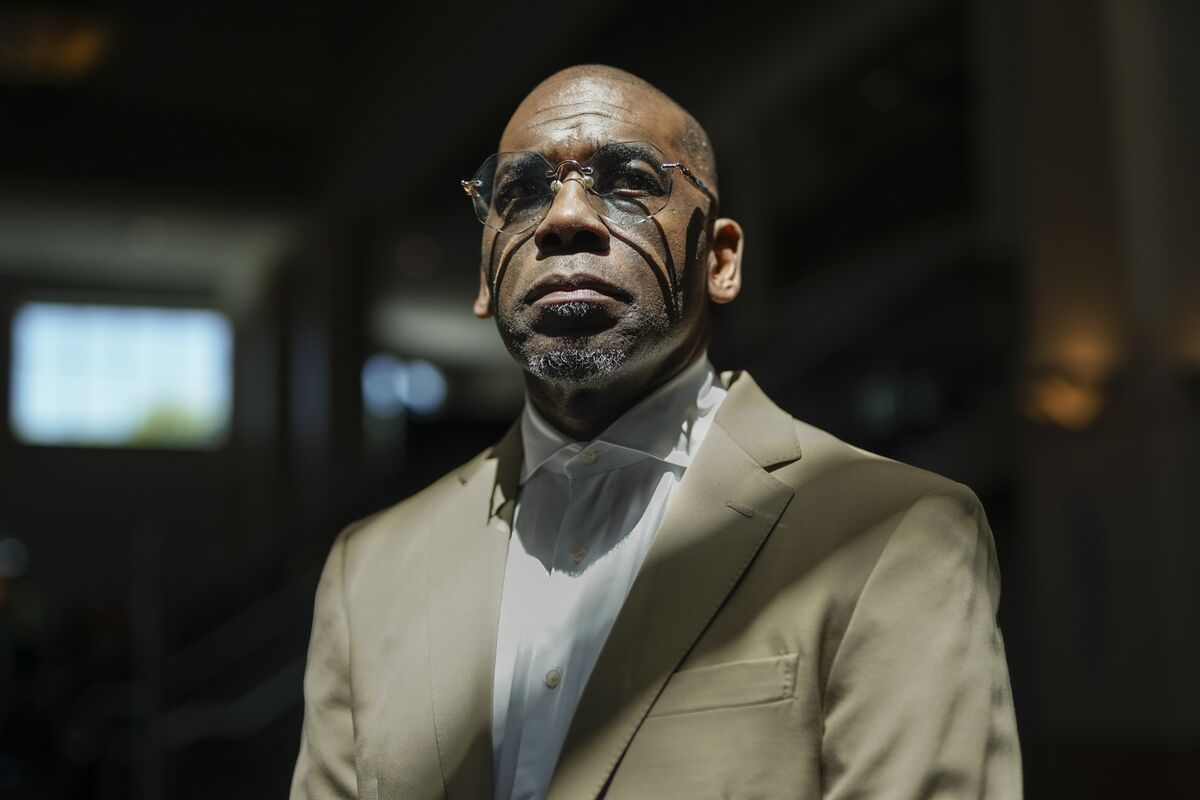
- Jamal Bryant is associated with initiating the boycott in Atlanta.
- Leaders described the end of the boycott as a milestone within a broader civil rights framework.
- Media coverage notes that Target acknowledged the impact of losing Black customers on its bottom line, during discussions with leaders.
What’s Still Unclear
- The exact date of the boycott’s formal end.
- Whether there are any ongoing commitments or new discussions with Target beyond the reported updates.
- The precise scope or metrics used to measure the boycott’s impact on Target beyond general references to foot traffic or stock performance.
- Whether the movement is explicitly labeled as a formal “civil rights movement boycott.”
- Any long-term strategic plans announced by the faith-based coalition following the end of the boycott.
Context
Context: The episode centers on organized consumer action over corporate DEI policies, framed by faith-based leadership in Atlanta and connected to broader themes of civil rights advocacy and economic pressure.
Why It Matters
Such boycotts illustrate how consumer activism intersects with social-justice messaging and how organizations respond to organized pressure without necessarily altering core policies. The development may influence public dialogue around DEI initiatives and community-led advocacy strategies.
What to Watch Next
- Follow-up statements from Target leadership regarding any future discussions with boycott organizers.
- Monitoring any longer-term shifts in community engagement or consumer behavior related to DEI-related concerns.
- Companion coverage on how similar movements evolve and what constitutes measurable impact in corporate policy debates.
FAQ
Q: Was Target compelled to change its DEI policies as part of the end of the boycott?
A: According to available information, the boycott ended without concessions or changes to Target’s diversity policy.
Q: Who led the boycott and where did it take place?
A: The boycott is associated with an Atlanta megachurch pastor and faith-based coalition; coverage references Atlanta in relation to the leadership and origin.
Related coverage
- EU LIBE approves plan to detention deportation third
- Kalshi event bets access expands for institutions and
- New York Bombing Suspect: New Video Shows Delayed Police
Source Transparency
- This article is based on a short preliminary brief and may not reflect the full details available in ongoing reporting.
- Source links are provided in the Sources section where available.
- A limited open-web check was used to clarify key details when possible; unclear items remain clearly marked.
Original brief: The Atlanta pastor behind a year-long boycott of Target said that his faith-based coalition ended its protest, calling it “the first step for the new Civil Rights movement.”
Sources
- A Target DEI boycott is over. What did it accomplish?
- The Target Boycott Is Over, but the Fight Isn't: Leaders Reveal …
- One Year Later, Black Folks Are Still Boycotting Target – Capital B …
- As nationwide boycott ends, Target's DEI decisions remains in question
- After Boycotting Target for a Year Black Folks Still Have Questions – Yahoo