
Published 2026-04-19
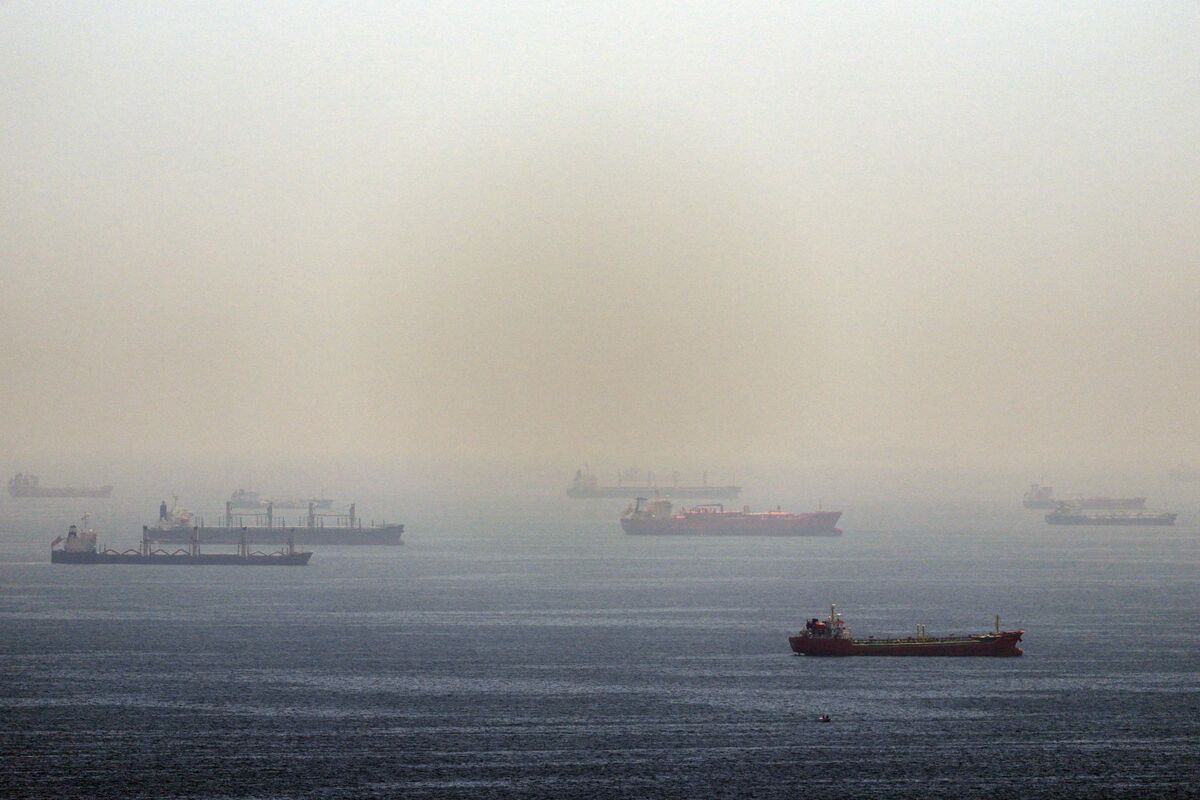
Summary: Iran’s Revolutionary Guards announced the Strait of Hormuz is fully closed, describing it as a response to the U.S. blockade on Iranian ports. Traffic through the strait remains disrupted, with reports of ships being fired upon during the weekend closure.
What We Know
- The Iranian Revolutionary Guard said the Strait of Hormuz is fully closed until the end of the U.S. blockade on Iranian ports.
- Traffic through the Strait of Hormuz is reported as disrupted due to the closure.
- There were reports that two ships were fired upon as the closure was announced.
- The closure has been described as a response to ongoing U.S. blockade of Iranian ports.
- Media coverage indicates the closure was announced during a chaotic weekend, with ongoing dispute over the status of reopening or re-closure tied to the blockade.
What’s Still Unclear
- Exact duration of the closure beyond the stated timeframe tied to the U.S. blockade.
- Whether the Strait remains fully closed at present or has seen reopening/re-closure events since the initial announcement.
- Specific details about which ships were fired upon and their current status.
- Broader international responses or implications beyond the immediate disruption to shipping.
Context
The Strait of Hormuz is a strategically important artery for global energy and trade, and events affecting its accessibility often provoke regional tensions and shifts in shipping routes. In this case, authorities framed the action as a measure in response to U.S. policy toward Iran’s ports, with reports indicating heightened confrontation during a weekend period.
Why It Matters
Disruption through the Strait of Hormuz can affect global shipping, insurance, and energy markets, and it highlights ongoing geopolitical strains in the region related to Iran, U.S. policy, and allied responses.
What to Watch Next
- Clarification on whether the Strait remains closed or has reopened and under what conditions.
- Any official statements from Iran or other regional actors outlining the duration and terms of the closure.
- Updates on shipping advisories, routes, and congestion in nearby chokepoints.
- Developments in the broader Iran–U.S. and Iran–regional dynamics that could influence access to the strait.
FAQ
Q: What caused the Strait of Hormuz closure?
A: Iranian authorities cited the U.S. blockade of Iranian ports as the reason for closing the strait, describing it as a response to that policy.
Q: Have ships been affected?
A: There were reports that two ships were fired upon during the announcement of the closure; further status details were not confirmed in the available information.
Related coverage
- Esper on Iran war strategy commentary: Trump’s plan under
- Trump Says Iran Nuclear Talks to Resume in Islamabad as
- Ship Transit Disruption Hormuz Strait Tracking Data
Source Transparency
- This article is based on a short preliminary brief and may not reflect the full details available in ongoing reporting.
- Source links are provided in the Sources section where available.
- A limited open-web check was used to clarify key details when possible; unclear items remain clearly marked.
Original brief: Traffic remains disrupted through the Strait of Hormuz after Iranian authorities declared it shut to shipping during a chaotic weekend…
Sources
- Iran Revolutionary Guard fully closes Strait of Hormuz and fires on …
- 2 Ships Are Fired On as Iran Says Strait of Hormuz Is Closed
- Iran closes Strait of Hormuz again over US blockade of its ports
- Iran fires on ships in Strait of Hormuz as Tehran imposes restrictions …
- Strait of Hormuz Reopens — US Still Blocking Iran Shipping