
Published 2026-04-26

Summary: A reported offensive by the Al-Qaeda–linked group JNIM in Mali has raised concerns about jihadist expansion in the Sahel, with reports of coordinated attacks against Malian army positions and potential threats to Bamako. While open to interpretation, current sources describe significant militant activity without confirming a full government takeover. The situation underscores broader regional security challenges in West Africa.
What We Know
- JNIM, an al-Qaeda affiliate, is reported to be involved in Mali.
- There are reports of coordinated attacks by jihadist groups and Tuareg rebels against Malian army positions.
- A notable siege or threat involving Bamako has been linked to an al-Qaeda–affiliated group in available reporting.
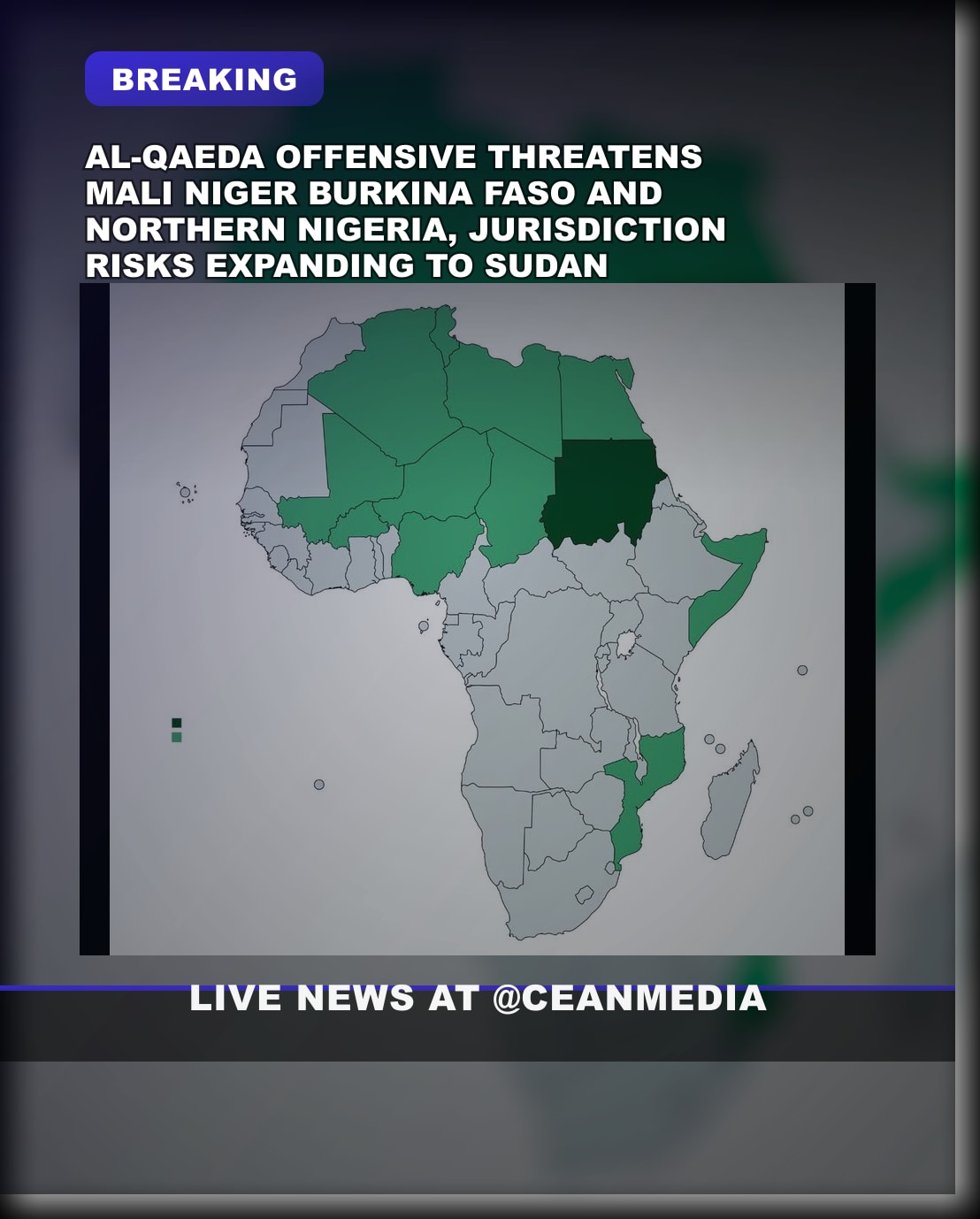
- Some sources discuss Mali, Niger, Burkina Faso and northern Nigeria as potential cases of jihadist expansion or control in the region.
- The broader regional discussion centers on the Sahel security environment and Islamist influence.
What’s Still Unclear
- Whether JNIM has achieved or is close to seizing control of Mali or Bamako.
- The current state of formal government control in Mali relative to al-Qaeda–linked groups (e.g., complete takeover vs. ongoing conflict).
- The precise timing, scale, and outcomes of specific attacks or sieges beyond reported incidents.
- Whether the threat extends to other neighboring states with the same certainty as Mali.
Context
General background on the Sahel region notes ongoing security challenges, including militant activity by jihadist groups and local armed movements, regional spillovers, and concerns about state capacity in Mali and neighboring countries. The situation is frequently described in terms of threatened or contested control, rather than confirmed full government collapse, with frequent reporting on attacks, sieges, and alliance formations among militant actors.
Why It Matters
The persistence and spread of jihadist violence in the Sahel can affect regional stability, humanitarian conditions, and international counterterrorism priorities. How governments respond—and whether militant groups consolidate influence—has implications for civilian safety, regional security cooperation, and economic development.
What to Watch Next
- Any official statements on the status of Mali’s government control or territorial integrity.
- Updates on JNIM’s activity, alliances (e.g., with Tuareg groups), and military responses in Mali and neighboring countries.
- New or shifting casualty and casualty-control reports from frontline areas and major urban centers.
- Regional security assessments focusing on the Sahel and potential spillovers to Niger, Burkina Faso, and northern Nigeria.
FAQ
Q: Is Mali under full jihadist control?
A: Current reporting does not confirm a full takeover; sources describe significant militant activity and threats, with no definitive confirmation of complete government collapse.
Q: Which groups are involved besides JNIM?
A: Some reports mention Tuareg rebel forces allied with jihadist groups in attacks against the Malian army; details vary by source.
Related coverage
- South Africa dangerous cities 2026: Five in Top 10
- SpaceX Pushes South Africa to Ease Black Ownership Rules to
- Police official sweating viral: South African deputy
Source Transparency
- This article is based on a short preliminary brief and may not reflect the full details available in ongoing reporting.
- Source links are provided in the Sources section where available.
- A limited open-web check was used to clarify key details when possible; unclear items remain clearly marked.
Original brief: Today’s massive Al-Qaeda (JNIM) offensive in Mali shows that Mali, Niger, Burkina Faso and northern Nigeria are all in danger of falling under total control of jihadist control.
However, Sudan is another nearby state which could also become fully controlled by Islamists, and…
Sources
- The Siege of Bamako: How an al-Qaida-Linked Terrorist Group Threatens …
- Mali crisis: Is West Africa the new epicenter of global terrorism?
- Jihadist and Tuareg rebels claim attacks across Mali
- Is Mali about to fall to al-Qaeda affiliate JNIM?
- Rise in al Qaeda attacks revives spectre of West African caliphate