
Published 2026-05-04
Summary: Tensions in the Strait of Hormuz have disrupted traffic as Iran and the United States take steps that affect ships in the waterway. Reports describe blockades and actions by both sides, with the U.S. announcing a plan to guide vessels through the strait amid the maritime standoff.
What We Know
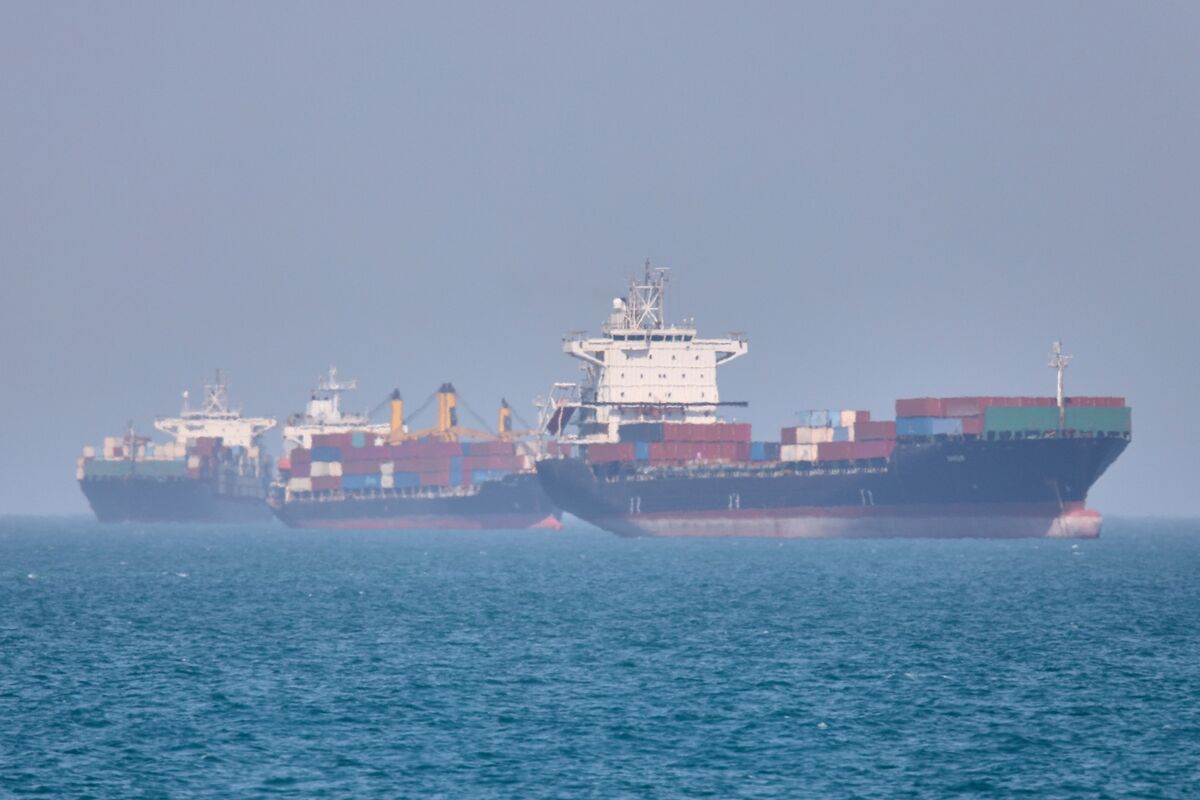
- The Strait of Hormuz traffic has been largely frozen amid rising tensions between Iran and the United States.
- There are reports of actions affecting vessels in the strait, including claims of ships being struck or seized and a naval blockade.
- The United States stated it would guide ships through the Strait of Hormuz during the maritime standoff.
- Media coverage indicates that tensions include accusations of attacks on ships and counter-actions by U.S. forces.
- The situation is described as a significant disruption to a vital passage for oil and international trade.
What’s Still Unclear
- Specific ships involved, dates, and the exact nature of each incident are not clearly confirmed in the available information.
- Whether Iran officially closed the strait or what operational status its authorities have declared remains uncertain in the presented sources.
- Details about the scope and duration of any blockades or maritime measures are not consistently specified.
- The level of involvement or response from other regional actors is not detailed in the provided material.
Context
Rising tensions around the Strait of Hormuz have long been a flashpoint because the waterway is a critical conduit for global energy markets and international shipping. Events in this region can quickly affect maritime security, trading routes, and international diplomatic dynamics between Iran, the United States, and regional partners.
Why It Matters
Disruptions in the Strait of Hormuz can impact global oil flows, prices, and insurance costs for shipping. The situation also tests naval and diplomatic norms, potentially shaping future maritime security practices and responses by third-party navies and commercial operators.
What to Watch Next
- Updates on whether ships can safely navigate the Strait of Hormuz under any guiding or blocking arrangements.
- Any official statements from Iran or U.S. authorities clarifying the status and intent of actions in the strait.
- New incidents or de-escalation signals that could re-open traffic or reduce tensions.
- Broader regional reactions and statements from international partners with stakes in the security of maritime routes.
FAQ
Q: What is causing the traffic disruption in the Strait of Hormuz?
A: Reports point to heightened tensions and actions by Iran and the United States affecting vessels in the waterway; specifics vary across sources and are not fully confirmed in the available information.
Q: What does it mean for the U.S. to guide ships through Hormuz?
A: It indicates a protective or supervisory role intended to help commercial vessels navigate the area during the standoff, though operational details are not provided in the available material.
Related coverage
- Iranian jail beating death: father of twins beaten over
- OPEC modest June increase: Leaders approve modest rise in
- Mediterranean marinas season shift heats up owners redirect
Source Transparency
- This article is based on a short preliminary brief and may not reflect the full details available in ongoing reporting.
- Source links are provided in the Sources section where available.
- A limited open-web check was used to clarify key details when possible; unclear items remain clearly marked.
Original brief: Traffic through the Strait of Hormuz remained largely frozen amid increasing tensions, as Iran attacked ships and the US started a plan to guide vessels out of the vital waterway…
Sources
- As tensions escalate in the Strait of Hormuz, US and Iran both fire at …
- Iran-US war latest: US denies Tehran claim that warship struck by …
- Iran war updates: Trump says US will guide ships through Hormuz Strait
- Both Iran and U.S. Blockade Strait of Hormuz – The New York Times
- U.S. beginning effort to guide stranded ships through Strait of Hormuz