
Published 2026-05-05
Summary: European Union economy chief Valdis Dombrovskis warned that the war in Iran could trigger stagflation for the bloc, with energy-price pressures potentially dampening growth while inflation remains elevated. The Commission is preparing updated growth forecasts in May.
What We Know
- The EU economy could experience a stagflationary mix—low growth with high inflation—due to energy-price shocks linked to the Iran war.
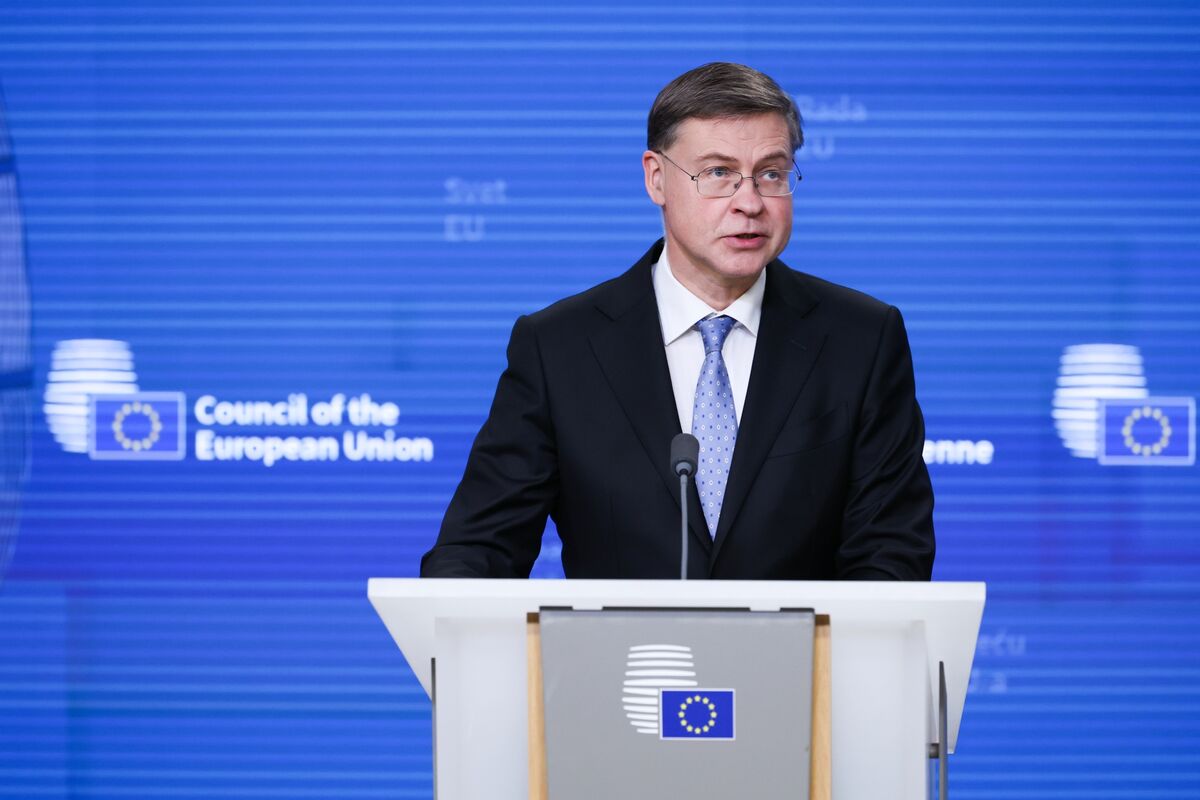
- Valdis Dombrovskis, the EU Economy Commissioner, has highlighted this risk to EU growth and price dynamics.
- The Commission is preparing to update its growth forecast in May, reflecting potential changes in the outlook.
- Analysts note a worst-case scenario where EU growth could be shaved by up to 0.6 percentage points, tied to energy-market developments.
- The discussion centers on how external shocks from the Middle East conflict may affect the bloc’s economic trajectory.
What’s Still Unclear
- Whether the 0.6 percentage-point impact applies to the current year, the next year, or both.
- The precise timing and magnitude of any further revisions to EU growth forecasts in May.
- How long energy-price pressures may persist and how this will feed into inflation trends.
- Specific policy measures the EU might deploy in response to the stagflation risk.
Context
The Middle East conflict involving Iran has wider implications for global energy markets and regional security. European policymakers are monitoring energy-price developments and inflation closely, given their potential to constrain growth in a currency bloc with integrated energy transit and supply chains. While there is attention on this risk, exact outcomes depend on evolving geopolitical dynamics and energy-market responses.
Why It Matters
Stagflation poses a dual challenge: it can limit economic growth while elevating consumer prices, reducing purchasing power and complicating policy normalization. For the EU, a credible risk of stagflation could influence monetary stance, fiscal planning, and energy-market interventions.
What to Watch Next
- Updates to the EU growth forecast expected in May from the European Commission.
- Any new policy measures or guidance from EU institutions addressing energy-price volatility.
- Updates on energy-market developments and their impact on inflation and growth projections.
- Further comments from EU officials on the macroeconomic implications of the Iran war.
FAQ
Q: What is the main concern for the EU regarding the Iran war?
A: The main concern is that the war could trigger energy-price increases that, together with slower growth, create a stagflationary environment in the bloc.
Q: Is there a specific growth loss quantified for the EU?
A: A worst-case scenario mentioned notes a potential impact of up to 0.6 percentage points, but precise applicability (year(s)) is not confirmed in the available information.
Related coverage
- UAE air defense defending against attacks repels drone and
- Abu Dhabi quit OPEC rift deepens with Riyadh dilemma
- Iran tensions rise as Strait of Hormuz traffic stalls, U.S.
Source Transparency
- This article is based on a short preliminary brief and may not reflect the full details available in ongoing reporting.
- Source links are provided in the Sources section where available.
- A limited open-web check was used to clarify key details when possible; unclear items remain clearly marked.
Original brief: European Union Economy Commissioner Valdis Dombrovskis warned of the stagflationary effect that the Iran war is creating for the bloc….
Sources
- EU Sees Risk of Stagflation Shock for Europe From Iran War
- Iran war could mean stagflation for EU, Dombrovskis says
- EU Stagflationary Shock Warning: European Commission Cuts Growth Forecast
- Is the Iran war pushing Europe into a stagflation crisis?
- EU faces 'stagflationary shock' risk despite Iran ceasefire, economy …