
Published 2026-05-05

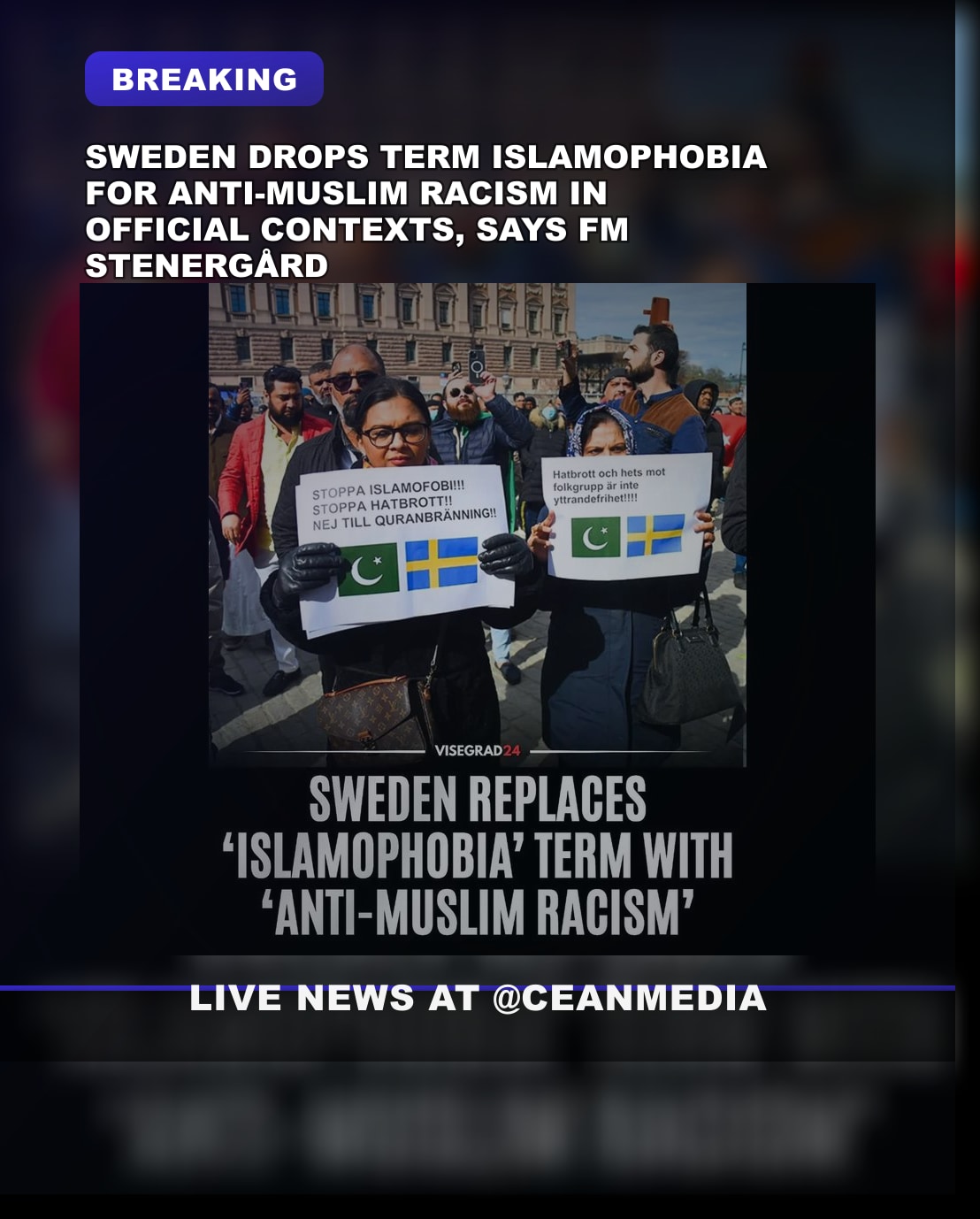
Summary: The Swedish government reportedly stopped using the term “Islamophobia” in official communications, opting instead for phrases like “anti-Muslim racism” or “anti-Muslim hatred.” The move was described by Foreign Minister Maria Malmer Stenergard as addressing concerns that the term is problematic or harmful to free speech.
What We Know
- The Swedish government reportedly stopped using the term “Islamophobia” in official contexts.
- Alternative terms being used or proposed include “anti-Muslim racism” and “anti-Muslim hatred.”
- Foreign Minister Maria Malmer Stenergard announced the change, describing the term “Islamophobia” as problematic and potentially harmful to free speech.
- Reports about the change come from multiple sources, including coverage that cites government communications and policy documents.
- The exact scope of the change (whether it applies to all government communications or only certain ministries or documents) is not confirmed in the available information.
What’s Still Unclear
- Whether the change applies universally across all government departments or only to specific bodies.
- Specific date of implementation and any transitional period, if any, beyond the reported announcement.
- How the change will affect existing laws, policies, or anti-discrimination initiatives in practice.
- How other EU or international partners interpret or reflect this terminology shift in official statements.
Context
Terminology around bias and discrimination is a live policy issue in many countries. Governments periodically review the language used in official communications to reflect evolving understandings of prejudice and to avoid terms deemed problematic or potentially undermining free speech. This case involves Sweden examining the labeling of anti-Muslim prejudice in its official materials.
Why It Matters
The choice of terminology can influence public understanding, reporting, and the framing of discrimination issues. A shift from “Islamophobia” to alternatives like “anti-Muslim racism” or “anti-Muslim hatred” may affect policy language, documentation, and debates on free speech and civil rights.
What to Watch Next
- Official government communications or policy documents to confirm the new terminology across departments.
- Any public statements clarifying how the change will be applied in practice and its legal implications.
- Reactions from civil society and international observers regarding the terminology shift.
FAQ
Q: What term is Sweden reportedly using now instead of “Islamophobia”?
A: Reports indicate terms like “anti-Muslim racism” or “anti-Muslim hatred” are being used.
Q: Who announced the change?
A: Foreign Minister Maria Malmer Stenergard was cited as announcing the change.
Related coverage
- Leipzig car attack victims: Two dead, suspect detained by
- Administration Ends Visa Freeze for Foreign Physicians:
- Leipzig car attack casualties news: Two Die, Several
Source Transparency
- This article is based on a short preliminary brief and may not reflect the full details available in ongoing reporting.
- Source links are provided in the Sources section where available.
- A limited open-web check was used to clarify key details when possible; unclear items remain clearly marked.
Original brief: The Swedish government has reportedly stopped using the term "Islamophobia" in official contexts, replacing it with the terms "anti-Muslim racism" or "anti-Muslim hatred."
Foreign Minister Maria Malmer Stenergard announced the change, describing the original term as…
Sources
- Swedish Government drops concept of 'Islamophobia'
- Sweden drops 'Islamophobia' from official use — but the discrimination …
- Sweden Drops Use of the Term “Islamophobia” – ABNA English
- Sweden “Finally” Scraps the Concept of 'Islamophobia'
- Sweden “Finally” Scraps the Concept of 'Islamophobia'