
Published 2026-05-08
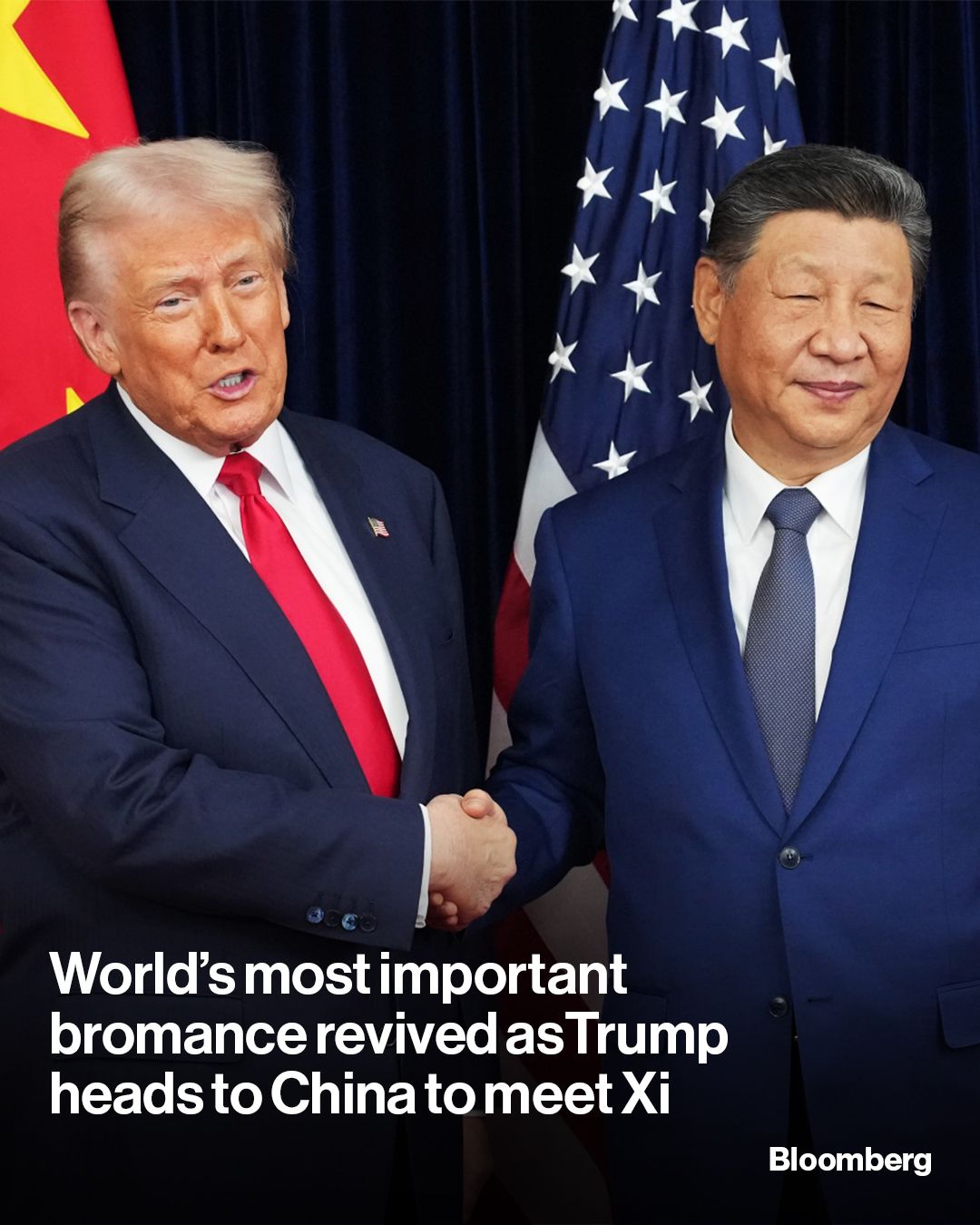
Summary: A planned mid-May summit in Beijing between Donald Trump and Xi Jinping signals a continuing focus on personal rapport amid a fraught US-China relationship. Analysts view the meeting as a test of whether a one-year pause on tariffs and export controls achieved at the 2025 Xi-Trump summit can translate into more stable, if not resolution-driven, diplomacy.
What We Know
- The summit is planned for mid-May in Beijing and will be the first meeting since October; it will be Trump’s first trip to China since 2017.
- Analysts expect the talks to address the broader trajectory of US-China tensions, with outcomes likely to be measured by whether the relationship gains short-term stability and how disputes are managed going forward.
- A one-year pause on tariffs and export controls was agreed at the October 2025 Xi-Trump summit, providing short-term stability but not resolving core issues.
- Preparations and context for the meeting are framed against a volatile global context that affects US-China relations, including ongoing strategic and economic frictions.
- Some observers describe the meeting as a mechanism for boundary-setting within a volatile relationship, indicating a focus on managing tensions rather than immediate resolution of all disputes.
What’s Still Unclear
- The specific agenda items and whether substantive agreements beyond short-term stability will emerge.
- How the personal rapport between Trump and Xi might translate into concrete policy shifts or negotiations on sensitive topics like tariffs, technology controls, or regional issues.
- Whether any new timetables or frameworks will be established to replace the 2025 tariff/controls pause.
- The precise formats or venues for follow-up discussions and who may participate in subsequent talks.
Context
Contextual background suggests that US-China relations have long been characterized by strategic competition with periods of cautious engagement. Diplomatic efforts often emphasize signaling and boundary-setting as a way to prevent escalation, while underlying disputes in trade, technology, and security persist.
Why It Matters
The outcome could influence near-term global markets and policy signalings, affecting how companies plan cross-border operations, pricing, and investment in technology sectors. It may also frame how future administrations approach tariffs, export controls, and dialogue mechanisms with Beijing.
What to Watch Next
- Any announcements or joint statements that clarify the scope of discussions and potential agreements.
- Subsequent follow-up meetings, dates, and venues that indicate progression or a cooling-off period.
- Shifts in tariff and export-control policy following the summit’s conclusions.
- Public and market reactions to the meeting, including commentary from policymakers and industry groups.
FAQ
Q: When is the summit scheduled to occur?
A: The summit is planned for mid-May in Beijing, according to CSIS and related context.
Q: What is the significance of the 2025 tariff/controls pause?
A: It provides short-term stability but does not resolve underlying disputes, setting a potentially fragile backdrop for the 2026 talks.
Related coverage
- AI investment costs competition China: Tencent, Alibaba
- US Iran strike response: New retaliation escalates regional
- Business leaders at trump xi summit to attend next week
Source Transparency
- This article is based on a short preliminary brief and may not reflect the full details available in ongoing reporting.
- Source links are provided in the Sources section where available.
- A limited open-web check was used to clarify key details when possible; unclear items remain clearly marked.
Original brief: Donald Trump’s upcoming two-day summit with Xi Jinping extends a personal relationship that’s weathered a tariff war, pandemic and historic energy crisis. Read more:
http://
bloom.bg/4uzblbZ: Andrew Harnik/Getty Images…
Sources
- Trump-Xi 2026 Summit | CSIS
- What will happen when Trump meets Xi? – Brookings
- China-US Relationship: Xi-Trump Summit Delivers a One-Year Time-Out
- What's next for US-China relations? | World Economic Forum
- The Real Role of a Trump-Xi Meeting – The Diplomat