
Published 2026-05-21

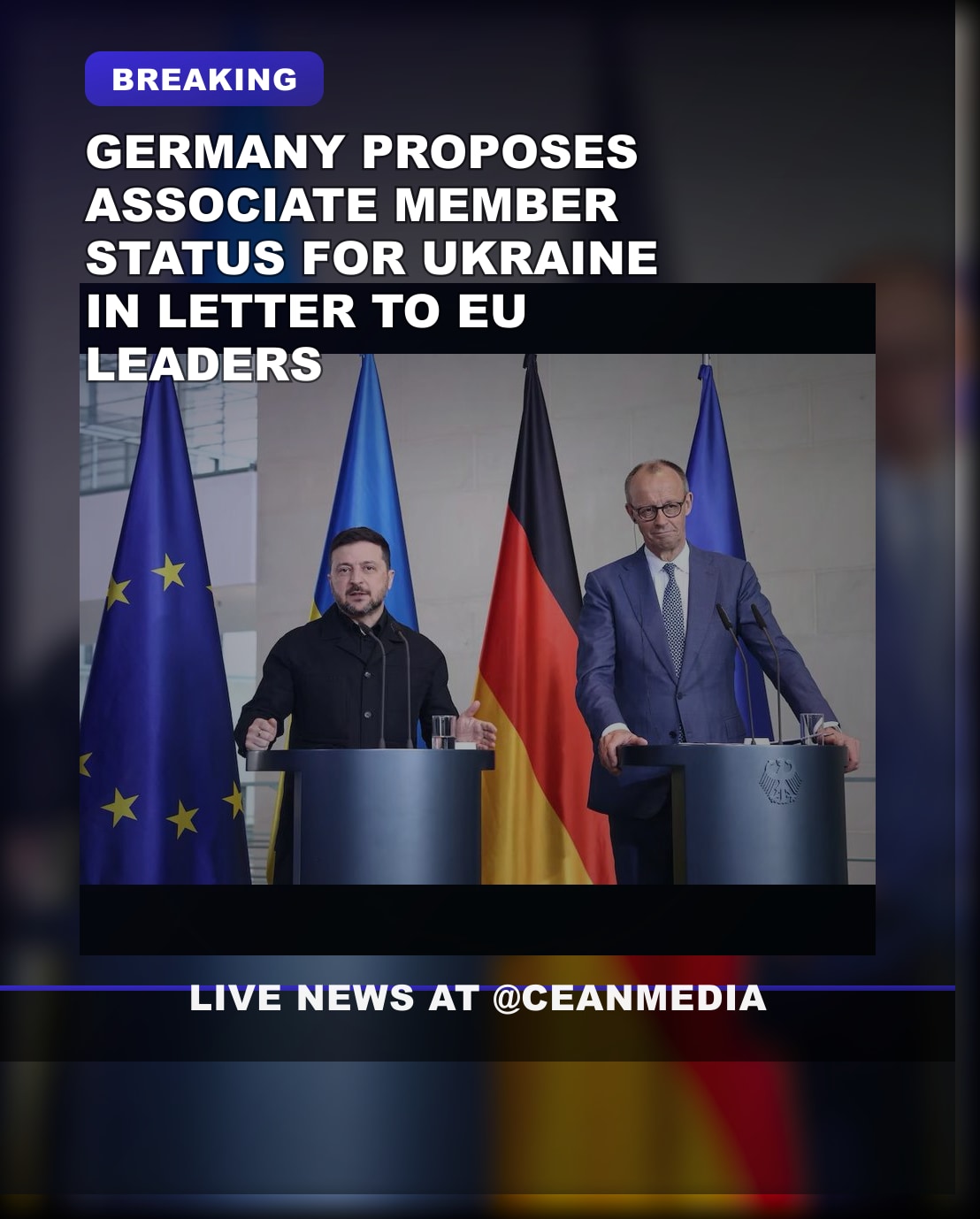
Summary: German Chancellor Friedrich Merz has proposed granting Ukraine a new special status as an “associate member” of the European Union, which would allow Ukrainian officials to participate in EU summits and councils without voting rights.
What We Know
- Germany’s Merz proposed an EU “associate member” status for Ukraine in a letter to EU leaders.
- The proposed status would let Ukrainian officials participate in EU summits or councils, but not grant voting rights.
- News outlets report the idea as a response to Kyiv’s push for faster EU integration.
- Sources indicate the concept involves participation at EU-level discussions without full membership or voting power.
- The specifics of scope (which councils or meetings) and formal EU approval timing are not fully detailed in the available information.
What’s Still Unclear
- Whether the associate member status would apply to all EU councils or only certain ones (leaders’ or ministers’ meetings).
- Whether there is an official timeline or mechanism for implementing this status within EU institutions.
- How this proposal would interact with existing accession processes and any potential legal or political hurdles.
- Responses from EU member states and EU institutions to this proposal.
Context
The discussion sits within broader European debates about Ukraine’s path toward EU membership amid ongoing conflict and security concerns. The idea of creating a modified status short of full membership is intended to offer Ukraine a formal platform within EU deliberations while preserving the current membership framework.
Why It Matters
If adopted, the associate member status could give Ukraine greater engagement with EU decisions and policy discussions, potentially influencing EU-Ukraine cooperation without altering the bloc’s voting dynamics or formal accession timeline.
What to Watch Next
- Comments and reactions from EU member states and EU institutions regarding the proposal.
- Any formal EU process or negotiations launched to define the status and its scope.
- Updates on Kyiv’s stance and whether Kyiv seeks a broader or different form of integration.
- Subsequent policy debates within EU capitals and Brussels about membership tracks and special statuses.
FAQ
Q: What would “associate member” mean in practice for Ukraine?
A: Based on available information, it would allow Ukrainian officials to participate in EU summits or councils without voting rights; exact scope is not fully confirmed.
Q: Is this a formal EU-wide policy or a proposal from Germany?
A: The material indicates a proposal from German Chancellor Friedrich Merz, with studies about EU adoption and implementation not yet detailed.
Related coverage
- UK long term net migration rise as arrivals exceed
- Copper expansion abroad focus drives KGHM expansion push
- Poland protest Green Deal impact: Warsaw rally blames
Source Transparency
- This article is based on a short preliminary brief and may not reflect the full details available in ongoing reporting.
- Source links are provided in the Sources section where available.
- A limited open-web check was used to clarify key details when possible; unclear items remain clearly marked.
Original brief: Germany proposes “Associate Member” status for Ukraine
In a letter to European Union leaders, German Chancellor Friedrich Merz suggested granting Ukraine a new special status, “associate member” of the EU.
This status would give Ukraine the right to participate in EU summits…
Sources
- Germany's Merz pitches 'associate' EU membership for Ukraine
- Germany's Merz proposes EU 'associate member' status for Ukraine – MSN
- Germany wants Ukraine to join EU as 'associate' member
- Germany's Merz proposes Ukraine as EU 'associate member' without voting …
- Germany's Merz floats associated EU membership for Ukraine — Reuters