
Published 2026-05-21
Summary: Bloomberg highlights a turbulent year for the yen, with sustained pressure and Japan’s efforts to defend the currency amid political and policy dynamics. The USD/JPY moved to around 158.98 in mid-May 2026, and the yen has weakened notably over the past year, underscoring ongoing stabilization efforts.
What We Know
- The USD/JPY exchange rate rose to 158.9780 on May 19, 2026, indicating yen movement against the dollar.
- Over the past month, the Japanese Yen has weakened 0.09%, and is down by 10.02% over the last 12 months.
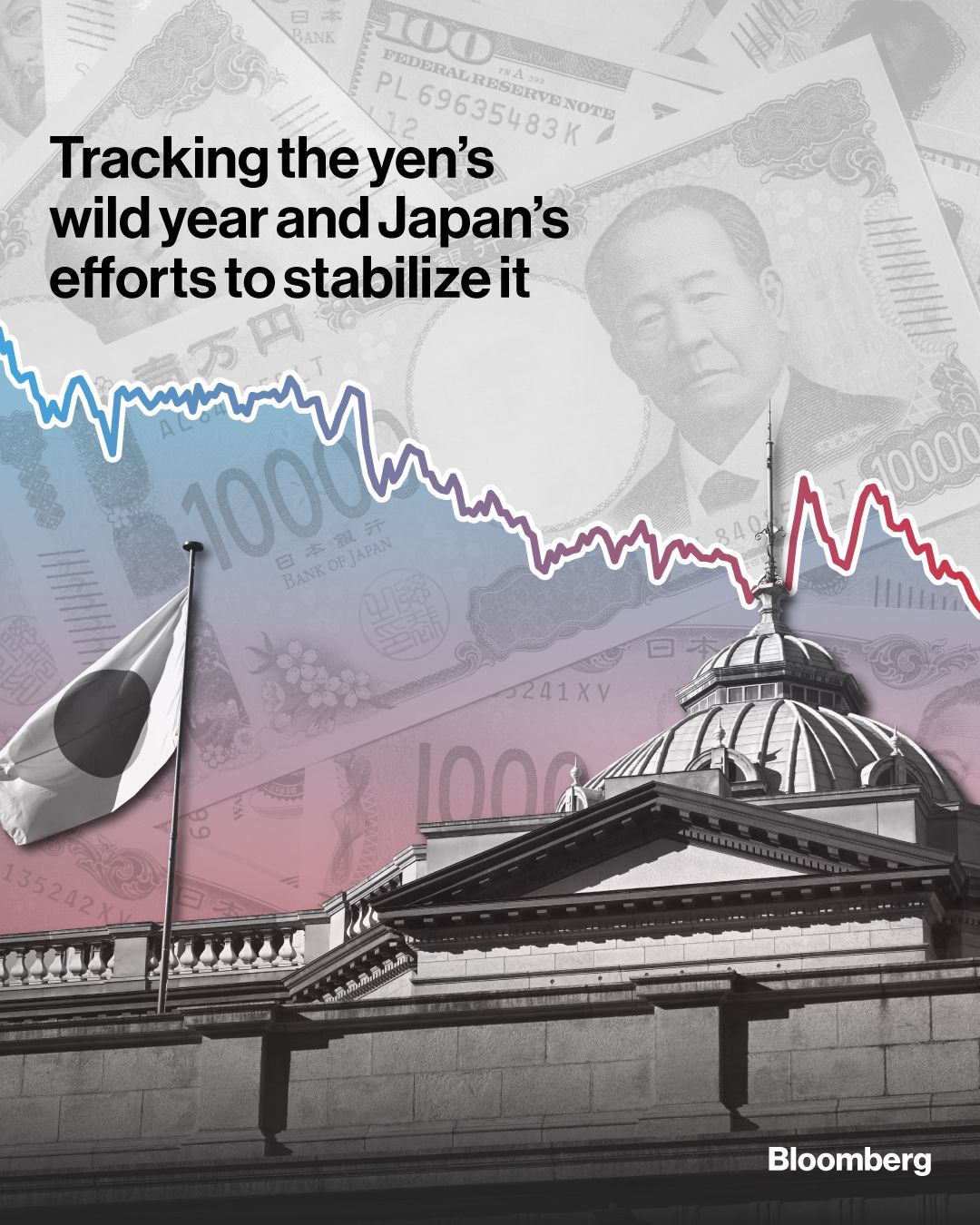
- Bloomberg describes the yen as having been under sustained pressure over the past year, prompting Japan to enter the foreign exchange market to defend the currency.
- The broader narrative ties yen dynamics to political upheaval and tariff-related pressures that influenced market sentiment and policy responses.
- The reporting characterizes Japan’s stabilization efforts as ongoing, with interventions and policy measures aimed at supporting the currency amid volatile conditions.
What’s Still Unclear
- Exact details of the specific policy actions or FX interventions taken by Japan across the observed period.
- Quantitative impact of each intervention on the yen’s trajectory and market expectations going forward.
- How much of the yen’s movement is attributed to domestic policy versus global market factors or trade tensions.
- Whether there are any upcoming policy changes or new measures to address currency stability.
Context
In recent years, the yen has faced pressure from global monetary trends and domestic policy considerations. Central bank decisions, inflation dynamics, and external factors such as trade tensions can influence currency stability. News coverage has tracked how interventions and policy signaling interact with market expectations during periods of volatility.
Why It Matters
Currency stability affects import costs, export competitiveness, inflation, and overall financial market conditions. For traders, policymakers, and businesses, understanding the trajectory of the yen helps inform hedging decisions, pricing strategies, and risk assessment in a context of evolving economic and political factors.
What to Watch Next
- Any updates on Japanese FX interventions or central bank communications that could alter yen volatility.
- New economic data releases or policy statements from Japan that could influence yen stability expectations.
- Shifts in global monetary policy that may impact relative currency moves between the yen and other major currencies.
- Market reactions to geopolitical or trade developments that interact with Japan’s currency policy posture.
FAQ
Q: What does “yen stability year tracking” imply for investors?
A: It suggests monitoring the yen’s movement and stability measures over a defined period; in this context, it refers to observed stabilization efforts amid ongoing volatility.
Q: Are there concrete policy actions identified?
A: The available information notes interventions in general terms but does not provide exact actions or dates beyond mid-May 2026 data.
Related coverage
- Options bet oil prices plunging signals bearish hedge fund
- Chinese aluminum smelters push capacity demand constraints
- Japan economy accelerates early year growth amid outlook
Source Transparency
- This article is based on a short preliminary brief and may not reflect the full details available in ongoing reporting.
- Source links are provided in the Sources section where available.
- A limited open-web check was used to clarify key details when possible; unclear items remain clearly marked.
Original brief: From Trump’s tariffs to political upheaval, Bloomberg tracked the yen’s turbulent year and Japan’s efforts to stabilize it. Read more:
http://
bloom.bg/43kXSJa: Akio Kon/Kentaro Takahashi/Adrian Leung/Bloomberg
Sources
- The Yen's Turbulent Year and Japan's Fight to Stabilize It
- Japan Balances Inflation and Yen Stability under Cautious Policy …
- Japanese Yen – Quote – Chart – Historical Data – News
- Yen's Weakening Trajectory Amid Political Uncertainty in Japan
- Japan's Currency Conundrum: Navigating the Promises and Perils