
Published 2026-05-23
Summary: The 1967-75 closure of the Suez Canal offers lessons on how shocks to key trade routes can affect distance, trade, and income. Analyses based on the closure suggest that even a relatively small reduction in ocean distance can boost trade, with broader income effects tied to trade changes.
What We Know
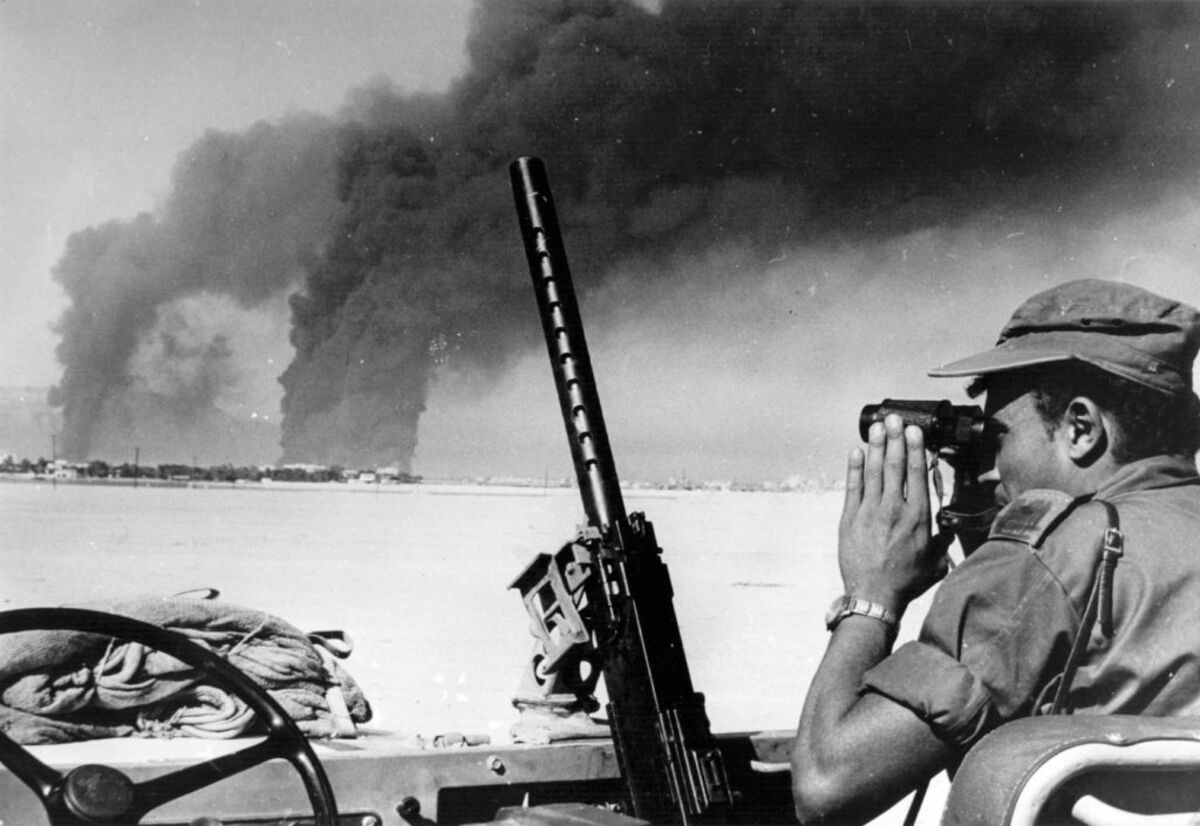
- The Suez Canal was closed on 5 June 1967 and remained closed for eight years, reopening on 5 June 1975.
- A natural-experiment approach links a 10% decrease in ocean distance to a 5% increase in trade, using the Suez Canal closure as the context.
- Econometric work cited in CEPR/VoxEU estimates that every additional dollar of increased trade raises income by about 25 cents.
- The Suez Canal is a major route for Asia-Europe shipping, and its closure had wide implications for global trade patterns during that period.
- Reporting on the topic emphasizes oil markets and geopolitics as related areas of interest when considering the closure’s implications for energy and regional dynamics.
What’s Still Unclear
- Specific methodologies, datasets, and model structures behind the CEPR/VoxEU findings are not described in the provided materials.
- Exact magnitudes of trade and income changes beyond the 10% distance and 5% trade relationship are not detailed here.
- Contemporary applicability to other chokepoints or current geopolitical risks is not confirmed in the available sources.
Context
General background: The Suez Canal has historically been a critical link between Asia and Europe, shortening voyage distances and shaping trade and energy markets. The 1967 Six-Day War precipitated a closure that lasted for years, and economists have since studied how such disruptions affect trade flows and incomes. The topic sits at the intersection of geopolitics, international trade, and energy markets.
Why It Matters
Understanding how a major route closure alters distance-based trade and income can inform policymakers and businesses about resilience, diversification, and risk management for critical chokepoints in global trade and energy supply.
What to Watch Next
- Watch for further scholarly work detailing the methods behind distance-trade-income estimates and their robustness.
- Monitor discussions on how historical chokepoint disruptions inform current risk assessments for routes like Hormuz or the Suez context.
- Follow analyses on how trade elasticity to distance changes translates into broader macroeconomic impacts.
FAQ
Q: What time frame does the closure refer to?
A: The closure began in 1967 and lasted eight years, reopening in 1975.
Q: What is the suggested link between distance and trade?
A: A cited analysis associates a 10% decrease in ocean distance with a 5% increase in trade, based on the Suez Canal closure case.
Related coverage
- Outbreak Response Lagging Behind: Governments Struggle to
- North Korea–Japan Ties Fade as North Korean Diaspora Bridge
- Global food economy trends: how a changing economy and
Source Transparency
- This article is based on a short preliminary brief and may not reflect the full details available in ongoing reporting.
- Source links are provided in the Sources section where available.
- A limited open-web check was used to clarify key details when possible; unclear items remain clearly marked.
Original brief: Even after the end of the Six-Day War in 1967, the Suez Canal remained closed for years. Let’s hope nothing similar happens in Hormuz, writes
@JavierBlas
(via
@opinion
)…
Sources
- The 1967-75 Suez Canal closure: Lessons for trade and the trade … – CEPR
- Closure of the Suez Canal (1967-1975) – Wikipedia
- Distance, trade, and income — The 1967 to 1975 closing of the Suez …
- Global Trade Chokepoints: From Suez Canal's 8-Year Shutdown to Today's …
- (PDF) Growth volatility and trade: Evidence from the 1967-1975 closure …