
Published 2026-05-29

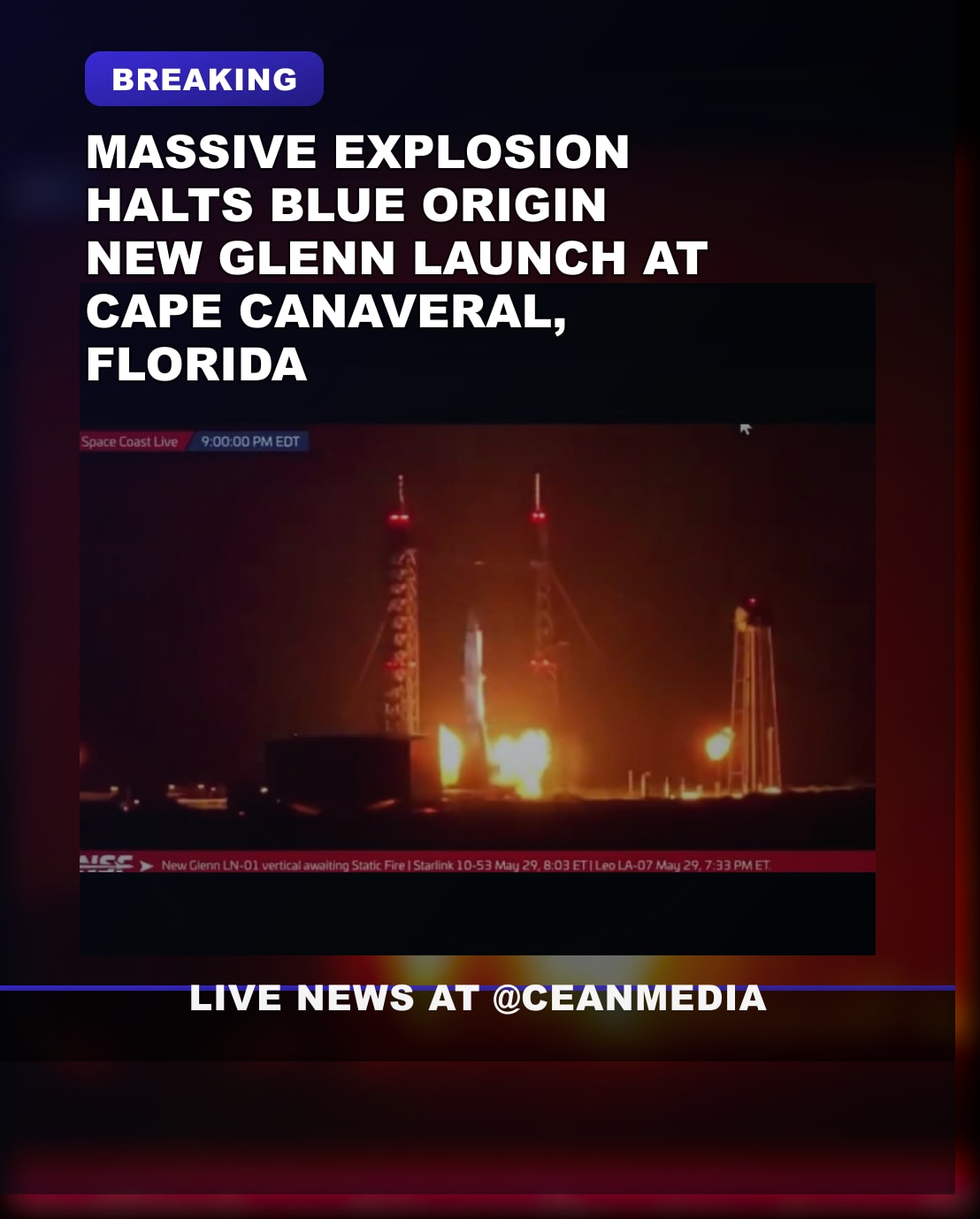
Summary: A Blue Origin New Glenn launch from Cape Canaveral ended in a serious failure, marking a setback for the company and its founder Jeff Bezos. The incident follows an earlier orbital anomaly on NG-3, after which the FAA grounded the program and later closed the investigation.
What We Know
- The New Glenn heavy-lift rocket experienced an upper-stage issue on its third flight (NG-3), resulting in an orbital setback and the payload being stranded in an off-nominal orbit.
- The Federal Aviation Administration (FAA) grounded Blue Origin’s New Glenn program following the NG-3 anomaly.
- The FAA subsequently closed its investigation into the incident after more than a month.
- Reports describe the upper-stage malfunction as part of the NG-3 mission, which launched from Cape Canaveral Space Force Station, Florida.
- Media coverage notes that the NG-3 flight included the company’s efforts around reusing the booster prior to failure.
What’s Still Unclear
- Whether the recent launchpad explosion occurred as a direct result of the NG-3 hardware issue or is part of a separate event, since sources reference differing timing and descriptions.
- Specific causes or components implicated in the upper-stage malfunction are not detailed in the available material.
- Current status of the New Glenn program and any schedule adjustments after the investigation closure is not confirmed here.
- Any formal statements from Blue Origin or regulatory authorities beyond the noted grounding and investigation closure.
Context
Blue Origin has been developing the New Glenn orbital-class rocket, with past milestones including attempts to reuse boosters. The program has faced regulatory scrutiny and safety investigations when anomalies occurred. Cape Canaveral is a longstanding launch site for U.S. spaceflight missions.
Why It Matters
The setback raises questions about the reliability and timeline of a major launch vehicle program led by a high-profile space industry player. It also highlights how regulatory processes can impact aerospace programs, particularly after anomalies during early flights.
What to Watch Next
- Any official statements from Blue Origin regarding the cause of the NG-3 anomaly and steps to mitigate risk.
- Updates from the FAA about program status, safety assessments, and future launch approvals.
- Blue Origin’s communications on any schedule adjustments or financial/operational implications tied to the incident.
- Industry reactions and potential lessons learned for other heavyweight rocket programs.
FAQ
Q: What happened to Blue Origin’s New Glenn on its NG-3 mission?
A: Reports indicate an upper-stage malfunction during NG-3, leading to an orbital setback and an off-nominal payload; the FAA grounded the program and later closed the investigation.
Q: What is the current status of the New Glenn program?
A: Information available here notes the grounding and investigation closure, but does not confirm the current flight schedule or program restart date.
Related coverage
- Anthropic investors eye private equity debt financing
- BTC technical analysis shows bearish tilt on low volatility
- NZ central bank eyes inflation pressure response readiness
Source Transparency
- This article is based on a short preliminary brief and may not reflect the full details available in ongoing reporting.
- Source links are provided in the Sources section where available.
- A limited open-web check was used to clarify key details when possible; unclear items remain clearly marked.
Original brief: BREAKING:
Massive explosion by Blue Origin’s New Glenn rocket on a launchpad in Cape Canaveral, Florida
Major setback for Jeff Bezos…
Sources
- Blue Origin's rocket reuse achievement marred by upper stage failure
- FAA closes Blue Origin investigation that had grounded New Glenn
- Bezos' Blue Origin Space Company Ordered to Probe Upper-Stage Rocket …
- Third New Glenn launch suffers upper stage malfunction
- FAA Grounds Blue Origin's New Glenn After Orbital Setback, Mandates …