
Published 2026-05-29

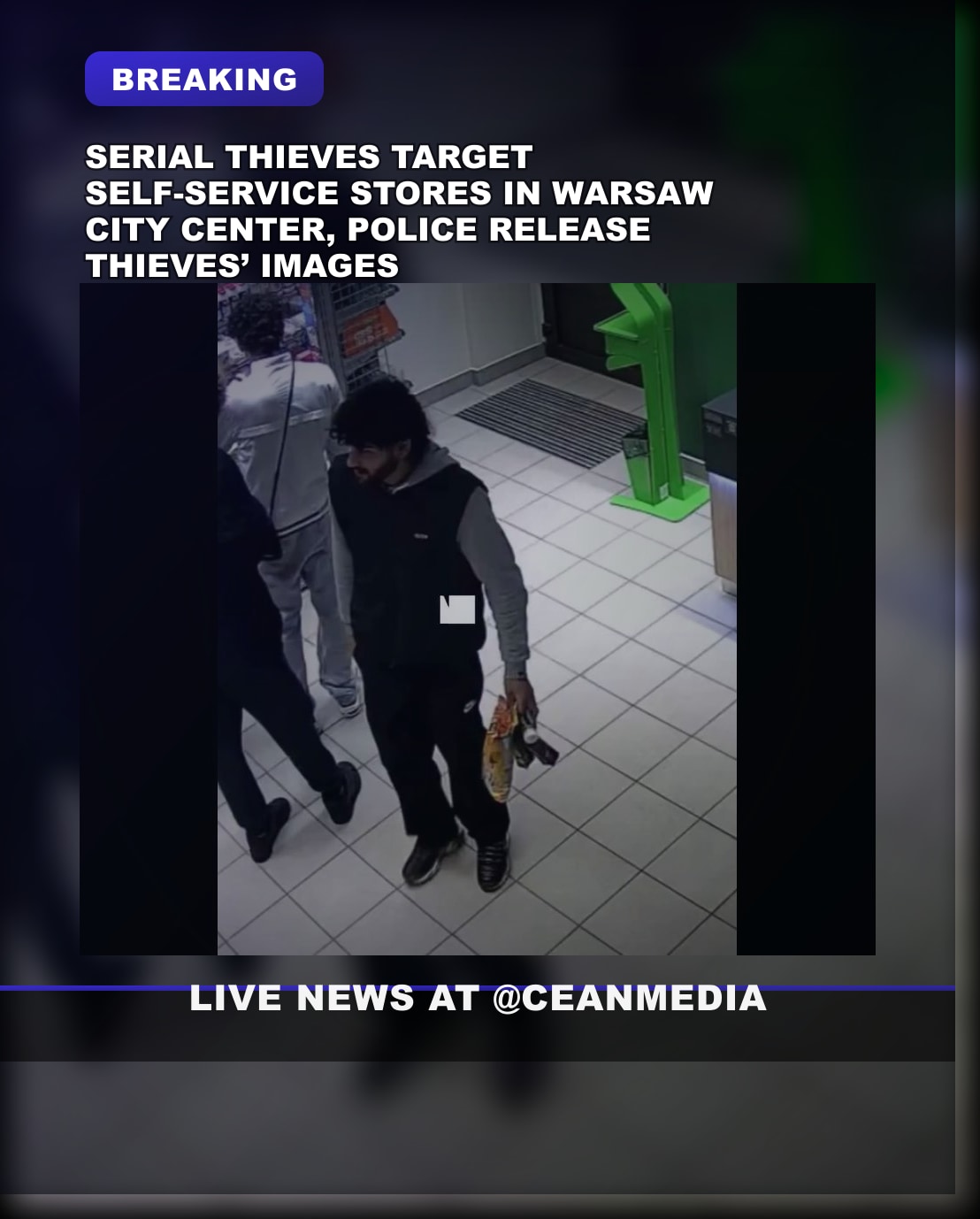
Summary: Police in Warsaw published images related to a wave of thefts targeting self-service stores in the city center. The incidents contribute to a rise in shop theft classifications as crimes in Poland, reflecting broader trends tied to changes in thresholds for what constitutes a crime theft.
What We Know
- The focus is on serial self-service thefts occurring in Warsaw’s city center.
- Police have released images of the thieves involved.
- Poland has seen a 22% increase in shop thefts classified as crimes from 2022 to 2023 (32,756 in 2022; 40,016 in 2023).
- In October 2023, the threshold for what constitutes a crime theft was raised from 500 PLN to 800 PLN.
- The reported losses affect self-service stores, which have thrived in part due to Poland’s high-trust social environment.
What’s Still Unclear
- Whether the police images pertain specifically to a defined serial theft case in Warsaw’s self-service sector is not explicitly confirmed in the available information.
- Any direct link between the Warsaw incidents and the broader context of Pushkin-related thefts or other unrelated high-profile cases is not established in the provided sources.
- Exact dates, locations within Warsaw, or measures being taken beyond image releases are not detailed here.
Context
In recent years, European and Polish retailers have faced shifts in consumer behavior and regulatory frameworks. Changes to legal thresholds for what is considered a theft can influence how incidents are recorded and prosecuted. Self-service formats are common in many urban centers, and issues around loss prevention continue to be a focus for retailers and law enforcement.
Why It Matters
Understanding patterns of theft at self-service outlets helps retailers assess security needs and loss-prevention strategies. It also informs policymakers about how regulatory thresholds for crime classifications interact with crime reporting and public safety.
What to Watch Next
- Official police updates or investigations detailing suspects, timelines, and locations.
- Any statements from retail associations or retailers about impact and security responses.
- Further context on how changes to crime thresholds influence reporting and statistics in Poland.
- Connections, if any, to larger patterns of organized theft or international cases in the region.
FAQ
Q: What exactly is being investigated in Warsaw?
A: The available information notes a wave of thefts targeting self-service stores and that police released images of the thieves; specifics beyond that are not confirmed in the provided sources.
Q: Have the thefts been linked to any organized group?
A: No explicit confirmation of an organized group is provided in the available information.
Related coverage
- Migrants cooling streets Paris: heatwave relief amid car
- Rising Bottlenecks: Low Water on Europe’s Key River Curbing
- Poland UK Northolt treaty interoperability boost joint
Source Transparency
- This article is based on a short preliminary brief and may not reflect the full details available in ongoing reporting.
- Source links are provided in the Sources section where available.
- A limited open-web check was used to clarify key details when possible; unclear items remain clearly marked.
Original brief: Serial thieves are operating in Warsaw’s city center.
They are targeting self-service stores, and are causing significant losses for these stores that have thrived thanks to Poland’s high-trust society.
Police have published these images of the thieves:…
Sources
- Self-service checkouts and new regulations fuel wave of thefts in …
- The Pushkin job: unmasking the thieves behind an international rare …
- The Pushkin job: unmasking the thieves behind an international rare …
- The Pushkin job: unmasking the thieves behind an international rare …
- Rare Editions of Pushkin Are Vanishing From Libraries Around Europe