
Published 2026-06-11

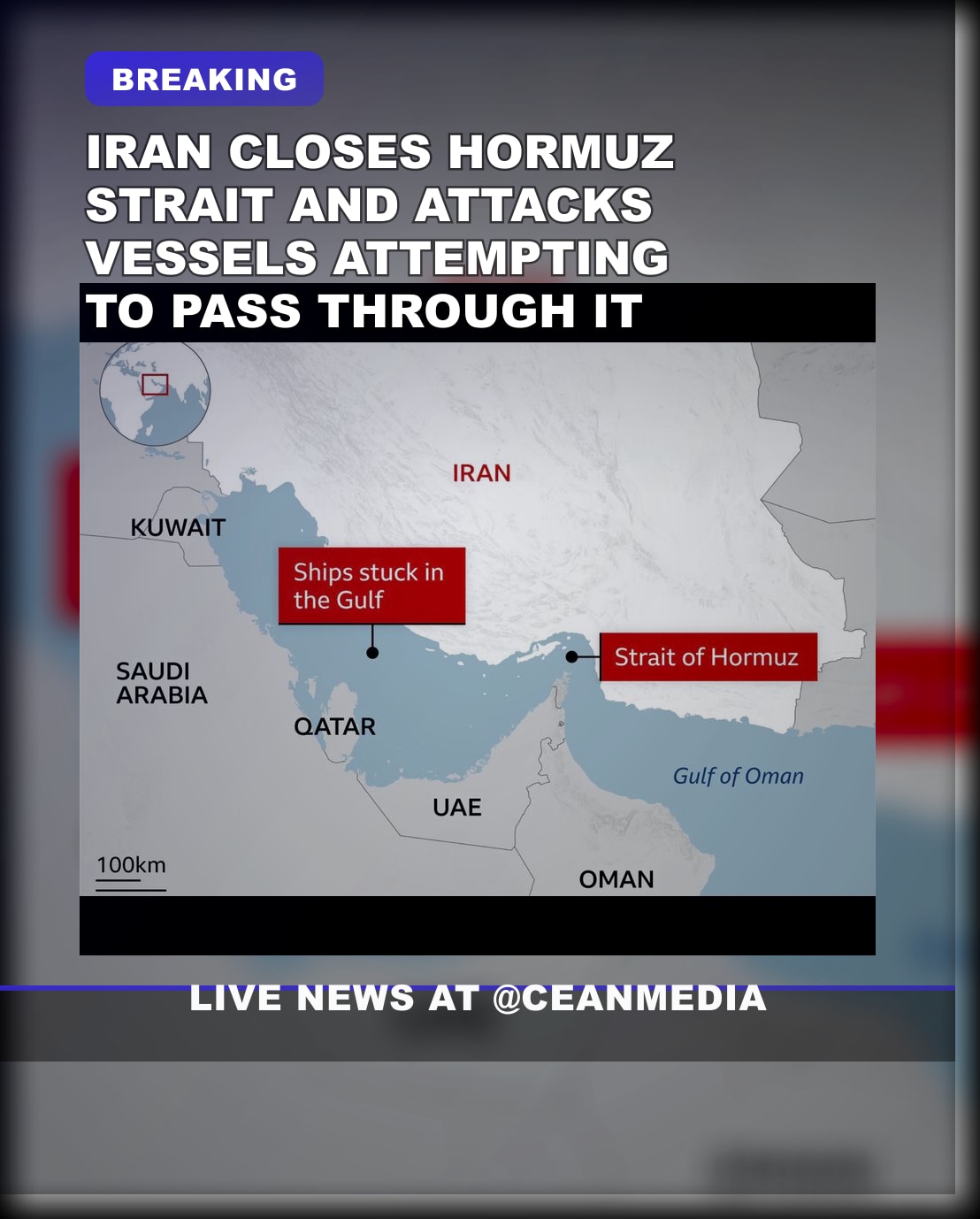
Summary: Iran announces a full closure of the Hormuz Strait and begins attacking vessels attempting to pass through, intensifying tensions in the Strait of Hormuz. Reports describe the strait as effectively closed or at risk of closure, with ongoing questions about negotiations between Iran and the United States and implications for oil markets and insurance costs.
What We Know
- The Strait of Hormuz is described in various sources as effectively closed or at risk of closure amid Iran–US tensions.
- There are reports of a breakdown or stalling of negotiations between Iran and the United States regarding reopening the strait.
- Iran has taken actions described as restricting transit and attacking vessels attempting to pass through the strait.
- Oil market implications have been noted, including potential price impacts and considerations for war-risk insurance tied to a closure scenario.
- Multiple sources discuss ongoing naval blockades or enforcement measures and contested timelines for when the strait might reopen.
What’s Still Unclear
- The current, verifiable status of the closure (fully closed vs. restricted) as of the latest reports.
- Exact dates and sequence of the closure events and vessel-attacks beyond what is described as “breaking” or ongoing.
- The precise status of any ceasefire or negotiation agreements between Iran and the United States regarding the strait.
- Specific implications for global oil supplies and shipping routes beyond general market notes.
Context
The Hormuz Strait is a critical chokepoint for global oil shipments, where geopolitical tensions between Iran and other regional and global actors can have wide-reaching effects on maritime security, shipping costs, and energy markets. In recent years, discussions about access and security in the strait have been linked to negotiations with the United States and broader Middle East security dynamics.
Why It Matters
Closure or restricted access through the Hormuz Strait can disrupt shipping, influence global oil prices, affect insurance and risk assessments for tankers, and heighten regional security concerns. The situation underscores the sensitivity of regional geopolitics to international energy logistics.
What to Watch Next
- Any official statements clarifying whether the strait is fully closed or remains restricted.
- Updates on negotiations or changes in diplomacy between Iran and the United States regarding reopening the strait.
- New maritime advisories or naval movements in the region and any reported incidents involving vessels in or near the strait.
- Market reactions, including price movements for crude and changes in war-risk insurance premiums.
FAQ
Q: What is the current status of the Hormuz Strait?
A: Available information describes the strait as effectively closed or restricted, with conflicting or evolving reports about the exact status and ongoing negotiations.
Q: Are there confirmed incidents of vessel attacks?
A: Reports indicate attacks on vessels attempting to pass through, but the precise details and timing may vary by source and are not fully confirmed in the available materials.
Related coverage
- Iran nuclear deal decline: Iran Refuses to Cede Uranium as
- Iran bombing by US imminent: Risk of strike rises, says
- Warning Shot Airstrikes Iran: U.S. Official Says Strikes
Source Transparency
- This article is based on a short preliminary brief and may not reflect the full details available in ongoing reporting.
- Source links are provided in the Sources section where available.
- A limited open-web check was used to clarify key details when possible; unclear items remain clearly marked.
Original brief: BREAKING: Iran announces a full closure of the Hormuz Strait and starts attacking vessels trying to pass through it…
Sources
- Iran Conflict Maritime Update: Iranian Exports Collapse as Enforcement …
- Hormuz Strait Crisis: US-Iran Blockade Standoff May 2026 – Maritime News
- Strait of Hormuz Closure 2026: Brent +64% Live Tracker
- Trump posts 'West Wing' clip after Iran strikes – MSN
- Can Iran really shut down the Strait of Hormuz? – Al Jazeera