
Published 2026-06-11

Summary: Iran signals it will not concede on uranium enrichment in negotiations with the United States, a stance that security analysts say reduces the odds of a swift resolution to the nuclear talks. The development is framed against broader regional tensions and ongoing multiparty dynamics in Middle East geopolitics.
What We Know
- Iran’s top diplomat has stated that Tehran will not stop enriching uranium in negotiations with the United States.
- Iran’s supreme leader reportedly dismissed a US nuclear proposal and emphasized maintaining uranium enrichment, signaling a hardline position.
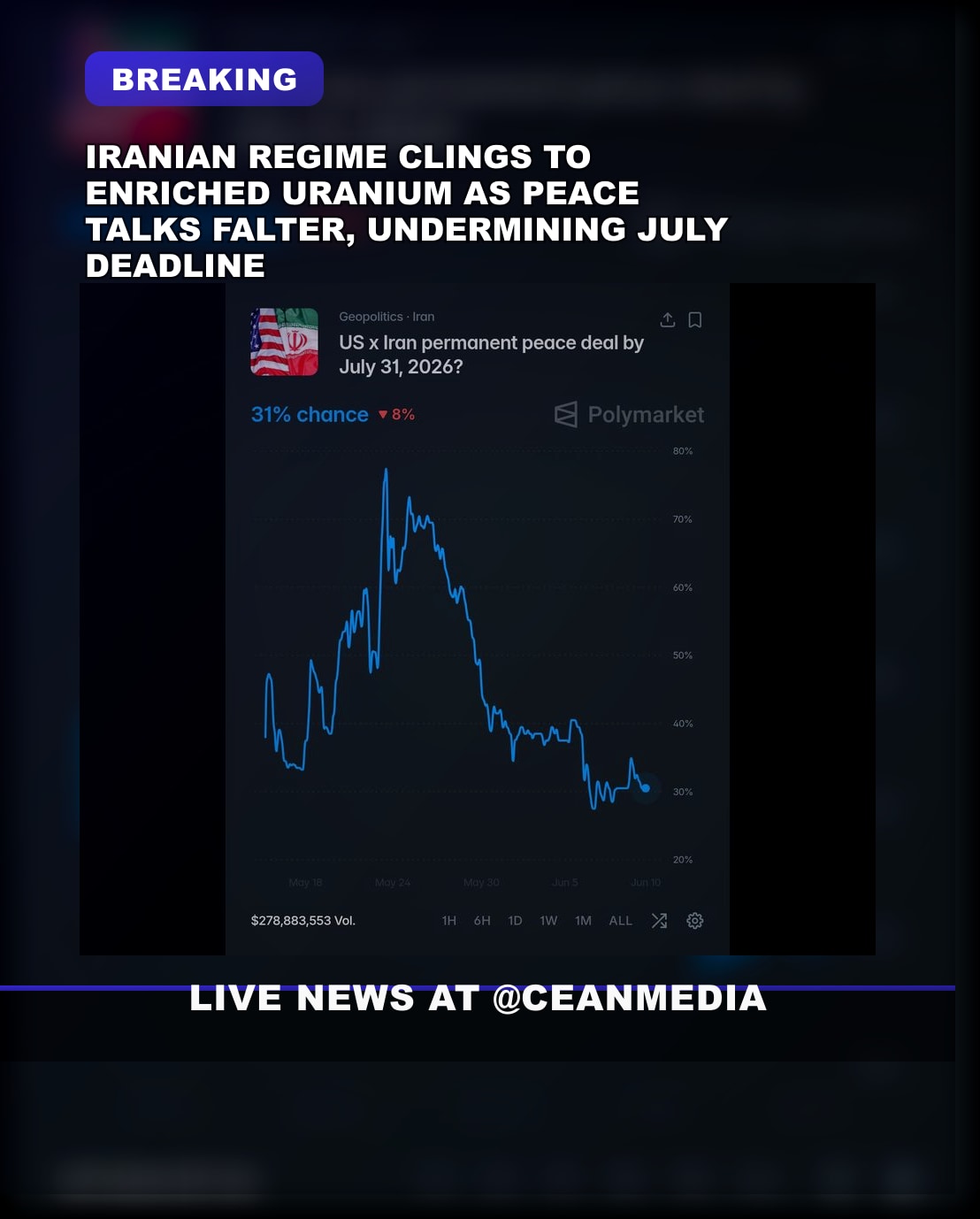
- Following these signals, assessments of the likelihood of a permanent peace deal in the near term have shown a notable downward shift in related markets/talks according to polymarket data cited in reporting.
- Media coverage ties Iran’s enrichment stance to broader negotiations and security considerations in the region.
- The information available depicts a clear Iranian red line on uranium enrichment as a central constraint in negotiations.
What’s Still Unclear
- Specific terms under which Iran would reconsider its enrichment policy, if at all.
- How U.S. negotiators might respond to the stated red line and what concessions (if any) could be feasible.
- Whether other regional or international actors could influence the negotiation dynamics or outcomes.
- Exact timing and location of any formal statements beyond the general stance on enrichment.
Context
Diplomatic efforts over Iran’s nuclear program have long centered on whether Tehran will cap or halt enrichment activities and under what verification measures. These discussions occur amid broader Middle East security concerns and shifting alliances in the region.
Why It Matters
Enrichment policy is a core bottleneck in Iran’s nuclear negotiations. A persistent hardline position could complicate international efforts to reach a durable agreement and may influence regional security calculations and energy/technology access discussions.
What to Watch Next
- Official statements or new proposals from Iranian leadership or U.S. negotiators that address enrichment demands.
- Responses from regional and international actors that could affect the negotiation trajectory.
- Updates on polling, market outlooks, or analyst assessments related to peace deal prospects.
FAQ
Q: What is the central issue in Iran’s stance?
A: The central issue highlighted is Iran’s insistence on continuing uranium enrichment and its refusal to concede on that point in negotiations with the United States.
Q: Have there been any statements about a broader peace deal timeline?
A: Available information notes a decline in the likelihood of a permanent peace deal in the near term, as reflected in related market indicators, but exact timelines are not confirmed.
Related coverage
- Iran bombing by US imminent: Risk of strike rises, says
- Warning Shot Airstrikes Iran: U.S. Official Says Strikes
- US Iran self defense strikes condemned: Escalation after
Source Transparency
- This article is based on a short preliminary brief and may not reflect the full details available in ongoing reporting.
- Source links are provided in the Sources section where available.
- A limited open-web check was used to clarify key details when possible; unclear items remain clearly marked.
Original brief: In the past 3 weeks, the likelihood of a permanent peace deal being signed before the end of July has plummeted on
@polymarket
from 78% to just 31%.It looks like the Islamic regime in Iran refuses to give up its enriched uranium and is continuing its attempts to acquire nukes…
Sources
- Iran insists it won't stop enriching uranium despite US demand | AP News
- Iran Rejects US Uranium Handover Demands — Model Diplomat
- Iran's Khamenei dismisses US nuclear proposal, vows to keep enriching …
- Iran rejects Trump's peace plan and rules out nuclear hand-over
- Watchdog finds Iran failing to meet nuclear obligations – BBC