
Published 2026-07-26
Summary: A new round of tariffs targeting dozens of economies has been enacted after the Supreme Court struck down previous levies. The administration contends the tariffs are aimed at pressuring countries to curb forced labor in supply chains, with rates ranging from 10% to 12.5% on numerous goods.
What We Know
- The administration announced tariffs of 10% to 12.5% on 60 economies for alleged forced labor violations.
- The tariffs took effect as stopgap levies previously imposed expired.
- The tariffs are imposed on countries accused of allowing forced labor in their supply chains.
- The move follows a Supreme Court decision that struck down earlier U.S. levies, prompting a new tariff round.
- Some reporting notes that a few countries managed to reduce tariff rates by adopting forced labor bans before the new tariffs took effect.
What’s Still Unclear
- Whether the total number of affected countries will remain at 60 or change due to exemptions or reductions.
- Specific country-by-country tariff rates and product categories covered.
- Exact timelines for enforcement or potential adjustments to the tariffs.
- The scope of what constitutes “forced labor” violations across different jurisdictions.
Context
Tariffs linked to labor practices are a tool used in trade policy to incentivize reforms in supply chains. In this case, officials cite alleged use of forced labor in targeted economies as the rationale for new duties, while governments navigate the legal and economic implications of broad sanctions on trading partners.
Why It Matters
The tariffs could influence global supply chains, product pricing, and international trade relations, potentially impacting manufacturers, exporters, and workers in both the United States and affected economies. The move also highlights ongoing policy attention to labor rights in global trade.
What to Watch Next
- Announcements or clarifications from the administration on country-by-country impacts and enforcement timelines.
- Reactions from affected economies, including potential negotiations, exemptions, or adjustments to tariff schedules.
- Insights from trade analysts on the broader implications for global supply chains and inflation.
FAQ
Q: What prompted the new tariffs?
A: The tariffs are framed as a response to alleged forced labor in supply chains, following a Supreme Court decision that invalidated earlier levies.
Q: How widely are these tariffs being applied?
A: The administration says the measures cover 60 economies, with rates specified between 10% and 12.5% for affected goods.
Related coverage
- ADA technical analysis: Mixed signals as price tests key
- BayWa agricultural roots restructuring hits second
- LINK technical analysis: View on market context and bias
Source Transparency
- This article is based on a short preliminary brief and may not reflect the full details available in ongoing reporting.
- Source links are provided in the Sources section where available.
- A limited open-web check was used to clarify key details when possible; unclear items remain clearly marked.
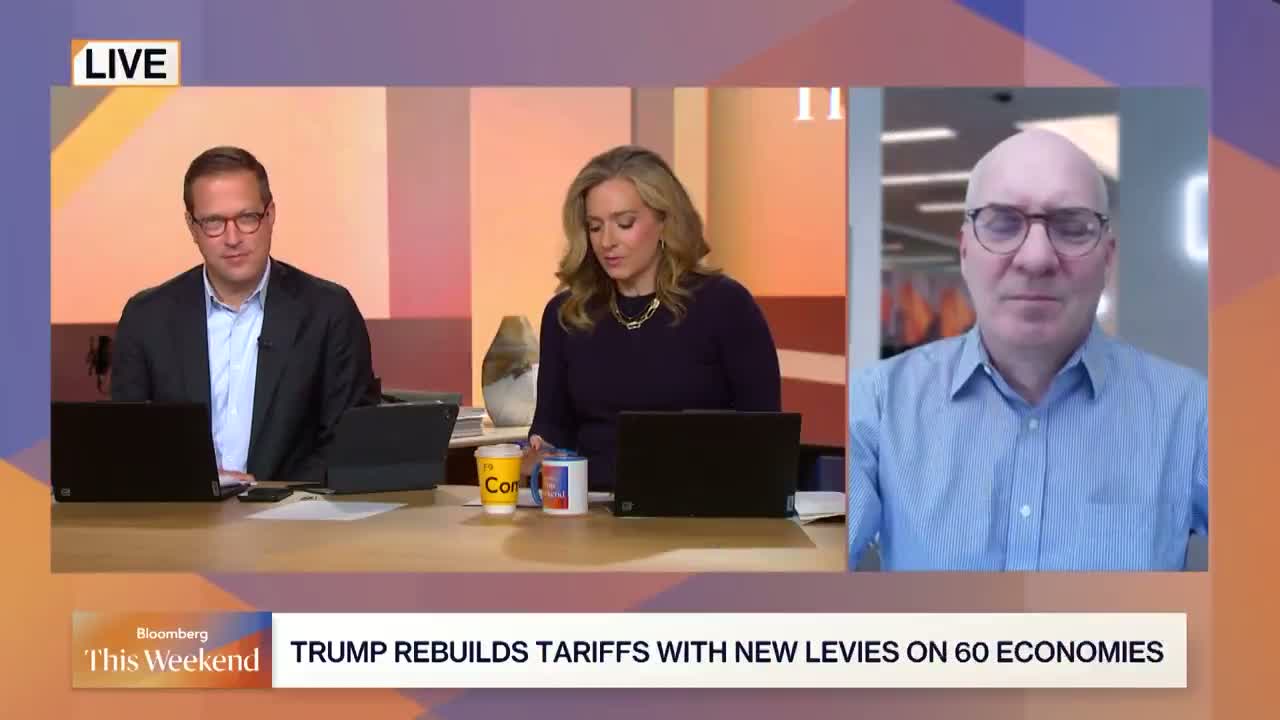
Original brief: Dozens of countries became the target of a new round of tariffs Friday after the Supreme Court struck down President Trump’s previous levies. Brendan Murray, Bloomberg News Global Trade Editor, outlines how the new tariffs aim to prevent forced labor in supply chains….
Sources
- New US tariffs linked to foreign forced labor claims anger trading …
- Trump finalizes new tariffs on dozens of countries
- Trump Hits 60 Countries With New Tariffs: Here's Why – Forbes
- Trump hits countries accused of forced labor with tariffs up to 12.5%
- Trump's New Tariffs on Over 80 Countries, Explained – TIME