
Published 2026-08-02
Summary: Florida has tightened rules around property insurance lawsuits, aiming to curb excessive claims and attorney-driven litigation after reforms to end one-way attorney fees and assignment-of-benefits practices. Early data indicate a reduction in lawsuits and a shift in the insurance market, with some homeowners feeling the impact of the changes. Other states are watching as similar reforms gain traction.
What We Know
- Florida enacted reforms after 2022-2023 to curb excessive insurance lawsuits, including ending one-way attorney fee rules and assignment-of-benefits agreements.
- Following these changes, Florida’s property insurance lawsuits and claims have declined since 2022.
- The share of Florida homeowners insurance lawsuits has dropped to about 41% after reform, according to reported data.
- State agency reports suggest that eliminating some attorney fees is helping to reduce costs and increase competition in Florida’s insurance market.
- Data indicate Florida’s overall share of claims lawsuits is about half of the level seen in 2020.
What’s Still Unclear
- Exact current total numbers of property insurance lawsuits beyond the 41% share figure.
- Whether the decline in lawsuits is uniform across all counties or varies regionally within Florida.
- Specific timeline and magnitude of premium changes corresponding to the reforms.
- Details on how homeowners’ out-of-pocket costs have changed in the wake of reform.
Context
Insurance markets in states facing extreme weather losses have explored reforms aimed at reducing litigation-driven costs and stabilizing premiums. The Florida experience is being watched as a potential model for balancing consumer access to remedies with market stability.
Why It Matters
Policy reforms that limit litigation can affect homeowners’ ability to pursue claims, premium levels, insurer competition, and overall market resilience in the face of climate-driven damages. The trend may influence debates and proposals in other states grappling with similar pressures.
What to Watch Next
- Any new data releases on Florida homeowners insurance claims and premium trends post-reform.
- Legislative developments in Florida or other states considering similar restrictions on lawsuits.
- Assessments of consumer outcomes and market competition following these reforms.
FAQ
Q: What prompted Florida to change its insurance lawsuit rules?
A: Rising costs from extreme weather and litigation-driven expenses prompted reforms, including ending one-way attorney fees and assignment-of-benefits agreements.
Q: Have premiums in Florida increased or decreased as a result?
A: The available information notes rising costs in the sector and reforms designed to curb lawsuits; specifics on premium changes are not confirmed in the provided materials.
Related coverage
- Explosion Balzi Rossi restaurant Moscow leaves 3 dead, 17
- Mega Mosque Funding Europe: Dearborn Heights Opens Largest
- Incendios generan clima propio redefine Europa ante
Source Transparency
- This article is based on a short preliminary brief and may not reflect the full details available in ongoing reporting.
- Source links are provided in the Sources section where available.
- A limited open-web check was used to clarify key details when possible; unclear items remain clearly marked.
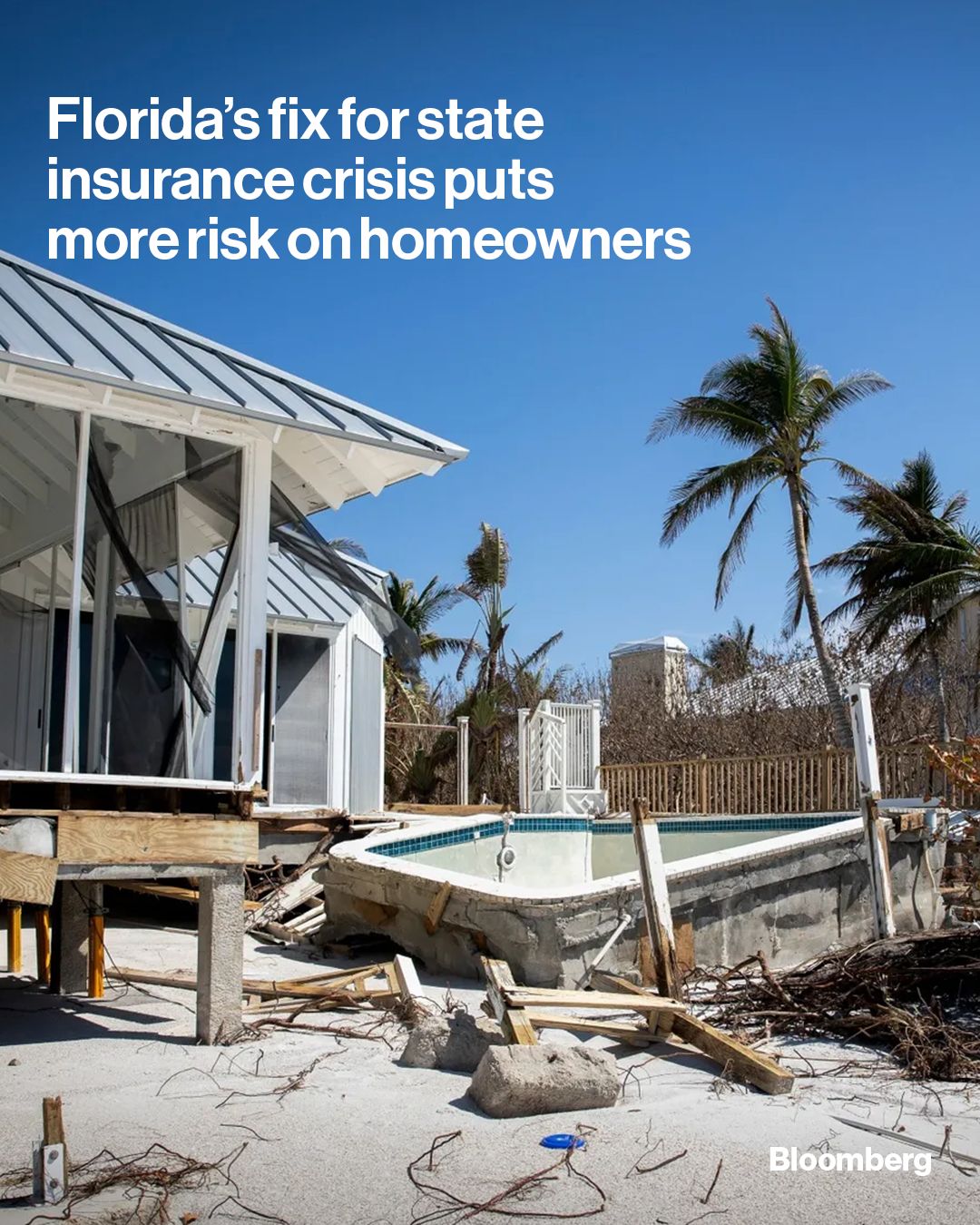
Original brief: Faced with an insurance sector buckling under rising costs from extreme weather damage, Florida made it harder for consumers to sue for low payouts. It’s a change that other states are now looking to replicate with similar rules, even as homeowners lose out. Read more:…
Sources
- Florida's Insurance Lawsuits Are Down—Homeowners Aren … – Newsweek
- Florida's Share of Claims Lawsuits Now About Half of 2020 Numbers, Data …
- Florida's Insurance Lawsuit Crisis Is Easing. So Why Aren't Homeowners …
- Florida homeowners insurance lawsuit share drops to 41% after reform …
- Report: Property insurance lawsuits fell three years after legislative …