
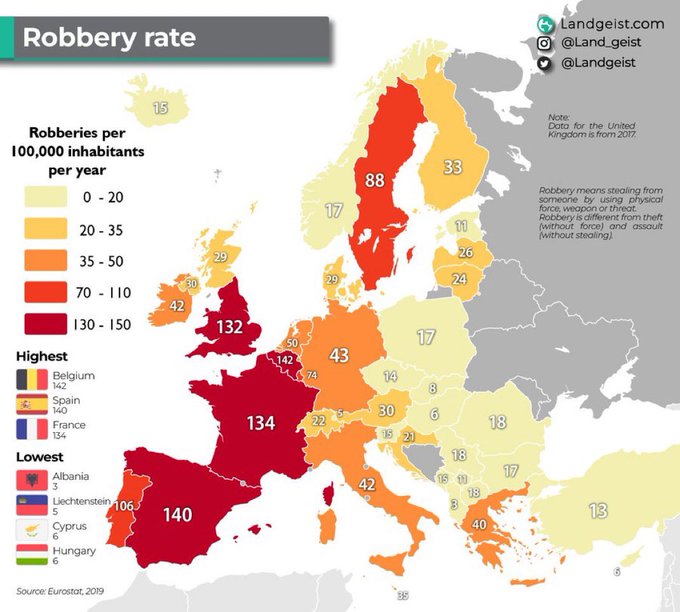
As Western European nations grapple with rising living costs and increased concerns over security, many citizens are beginning to explore opportunities in Central and Eastern Europe (CEE). This shift is driven by the perception that CEE countries offer a more affordable cost of living, reduced crime rates, and a growing infrastructure that enhances quality of life.
In regions like Poland, Hungary, and the Czech Republic, local governments have invested heavily in security measures and economic development, making these areas increasingly attractive for foreign residents and remote workers. Western Europeans relocating to CEE often cite lower housing costs and more relaxed bureaucratic processes as key advantages. Additionally, the political stability and commitment to EU integration in many CEE nations bolster the perception of safety among potential expatriates.
This migration is beginning to reshape demographic and economic dynamics in the region. CEE countries are experiencing an influx of skilled professionals and entrepreneurs, which may catalyze further economic growth. Conversely, some local communities express concern over rapid cultural shifts and potential inflationary pressures. Nonetheless, the trend highlights a growing reevaluation of safety, cost, and quality of life as decisive factors influencing migration patterns within Europe.
As this trend gains momentum, it could lead to a redistribution of investment, talent, and infrastructure development across the continent. Western Europeans weighing options may increasingly view CEE as a viable alternative, potentially fostering even closer economic ties and cooperation within the European Union.