
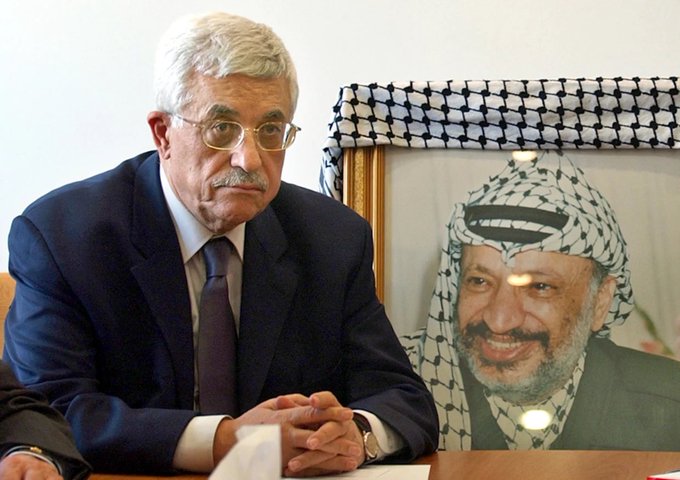
Palestinian leader Yasser Arafat passed away on November 11, 2004, marking the end of an era in Palestinian politics. His death prompted the election of Mahmoud Abbas as the new leader of the Palestinian Authority, signaling a potential shift in leadership amid ongoing conflicts and diplomatic efforts. Abbas, who had served as Arafat’s deputy, quickly emerged as the face of Palestinian governance during a critical period trying to balance resistance and negotiations.
The aftermath of Arafat’s death was characterized by efforts to restore stability and peace in the region. One of the significant developments was the conclusion of the Second Intifada, a period of intensified violence and political tension, which effectively ended after the landmark Sharm El Sheikh Summit held in 2005. The summit brought together Palestinian and Israeli leaders, including Abbas and Israeli Prime Minister Ariel Sharon, along with Egyptian President Hosni Mubarak and Jordanian King Abdullah II, in an effort to revive peace talks and foster dialogue.
The 2005 summit marked a turning point, as regional leaders sought to de-escalate violence and establish a framework for future negotiations. Although many challenges remain, the summit’s success in ending the Second Intifada was seen as a hopeful step toward renewing peace prospects in a long-standing conflict. Abbas’s leadership has since been closely tied to these efforts, aiming for a peaceful resolution and sustainable stability in the Palestinian territories.