
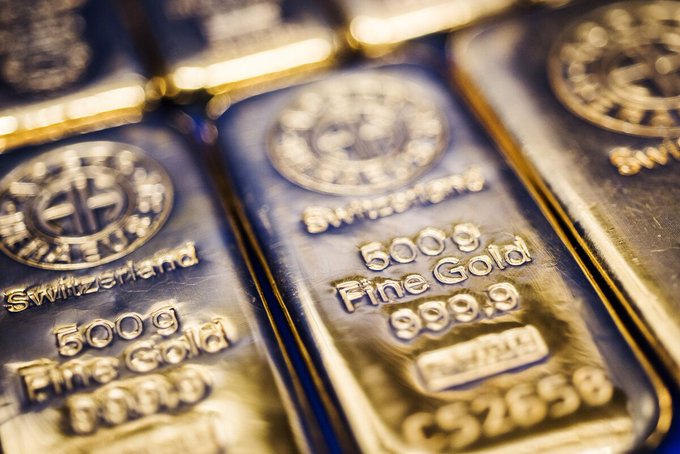
A recent ruling by U.S. authorities to impose tariffs on gold bars has sent ripples through the global financial community, igniting fears of potential disruption in the intricate systems reliant on the precious metal. The decision, although short-lived, marked a significant deviation from established trade policies and caught many market participants off guard.
Gold has long been considered a safe haven asset and a cornerstone of international reserves. The proposed tariffs threatened to complicate trade flows, particularly for countries and institutions heavily dependent on gold imports and exports. Experts warn that even a brief disturbance in gold pricing and supply chains could have broader implications for financial stability and commodity markets.
Financial analysts are now closely monitoring regulatory developments, emphasizing that such policies could influence currency valuations, investment strategies, and gold’s role in global reserves. While some officials have indicated that the tariff is under review, the episode underscores the vulnerability of even well-established markets to sudden policy shifts. As the situation evolves, stakeholders remain cautious but attentive to potential ripple effects across the broader financial infrastructure.