
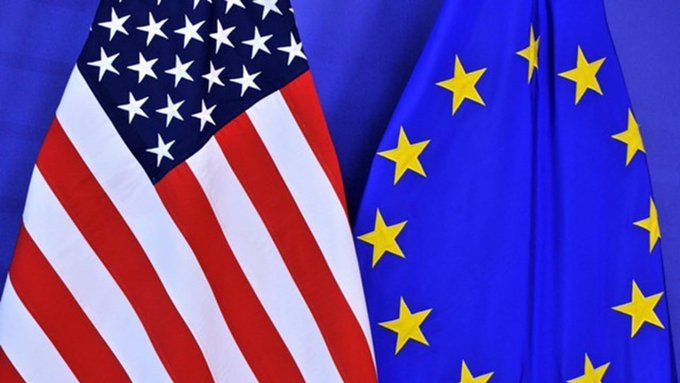
The European Union and the United States have announced the conclusion of a comprehensive trade agreement aimed at easing long-standing trade tensions. The deal follows a period of conflict marked by the Trump administration’s imposition of a 20% tariff on European goods, which led to retaliatory measures from the EU and heightened concerns about transatlantic economic relations.
Under the terms of the agreement, the United States will apply a 15% tariff on most EU imports, a reduction from previous levels, and in return, the European Union has committed to increasing its purchases of American products. Both sides have agreed to eliminate certain tariffs, with the EU agreeing to remove tariffs on a range of U.S. exports, although specific sectors were not detailed. The deal signals an effort by both parties to stabilize trade relations and foster economic growth following years of tariff disputes.
The agreement also aims to address broader issues, including regulatory barriers and trade practices, in an effort to promote fairer and more predictable commerce between the two economies. While the deal represents a significant step towards restoring transatlantic trade ties, analysts suggest that ongoing negotiations may be needed to resolve remaining disagreements and ensure long-term cooperation. Both the EU and the U.S. have emphasized their commitment to working together to support economic stability and growth in the region.