
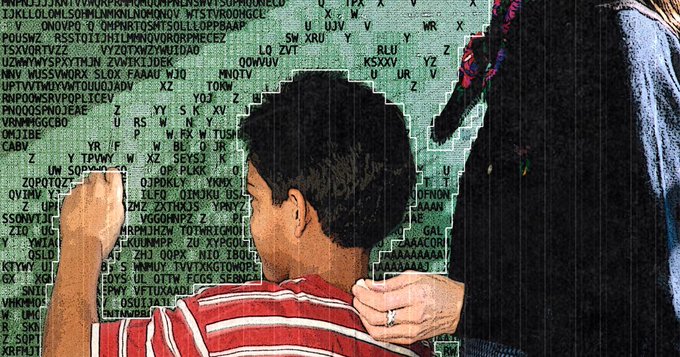
Teachers across the United States are increasingly integrating artificial intelligence chatbots into their classroom instruction as part of efforts to modernize education. These AI tools are being used to assist with answering student questions, providing personalized feedback, and supporting language learning, among other applications. Schools and districts are exploring such systems as potential means to enhance engagement and tailor educational experiences to individual student needs.
Proponents of AI chatbots argue that these technologies can serve as valuable supplements to traditional teaching methods. They highlight the potential for increased accessibility, immediate support for students, and the ability to free teachers from routine tasks to focus on more complex instruction. However, skeptics express concerns about over-reliance on technology, data privacy, and whether AI tools can truly replace or replicate the nuanced understanding of human educators.
As the deployment of AI chatbots in classrooms grows, education experts are calling for careful evaluation of their effectiveness. While some early results show promise, broader studies are needed to determine whether these tools genuinely improve learning outcomes or if they risk becoming a passing trend in ed-tech. The debate continues as policymakers, educators, and parents weigh the benefits and challenges of bringing AI into the learning environment.