
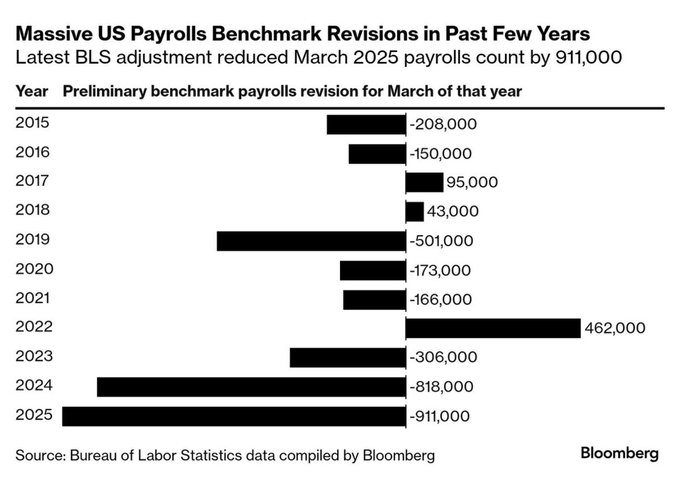
The U.S. Bureau of Labor Statistics (BLS) has been experiencing persistent challenges with low response rates to its surveys, which are essential for compiling key economic indicators. These surveys, including the Current Population Survey and the Consumer Expenditure Survey, provide vital data on employment, unemployment, inflation, and consumer spending. Reduced participation has raised concerns about the accuracy and reliability of the data used by policymakers, businesses, and economists.
Several factors contribute to the declining response rates, including respondent fatigue, privacy concerns, and the increasing difficulty of reaching individuals through traditional survey methods. In response, the BLS has been implementing strategies to boost participation, such as expanding outreach efforts and leveraging technology for online surveys. Despite these efforts, maintaining robust response levels continues to be a significant challenge.
The impact of lower response rates extends beyond data collection, potentially affecting the timeliness and robustness of economic measurements. Reliable data is crucial for making informed decisions on monetary policy, government programs, and economic forecasts. Experts have called for continued innovation and increased engagement to ensure the integrity of the BLS’s surveys and the statistics derived from them.
As the situation evolves, the BLS remains committed to improving response rates and ensuring the continued accuracy of its economic indicators. Addressing these challenges is seen as vital for maintaining trust in government data and supporting effective economic policymaking.