
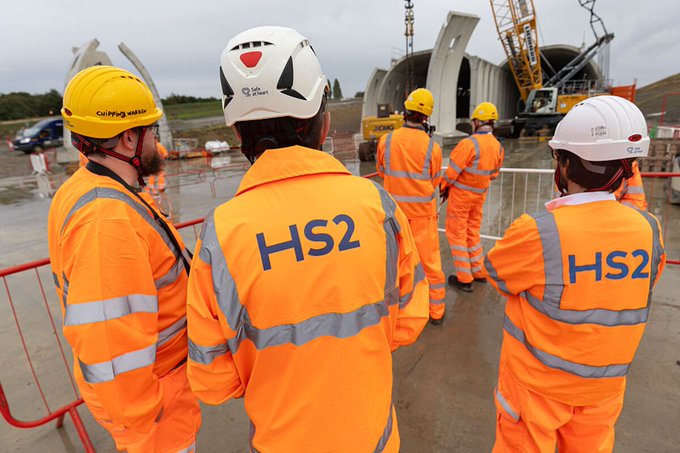
The HS2 high-speed rail project in the United Kingdom has faced criticism and has been described by some as a fiasco, citing delays and ballooning costs. Despite these issues, infrastructure advocates argue that abandoning or significantly reducing the effort to expand and improve transportation networks could have long-term negative consequences.
In a recent opinion piece, columnist Matthew Brooker emphasizes that turning away from investing in more and better infrastructure would constitute a historic mistake. He suggests that, while HS2 has encountered problems, maintaining momentum in infrastructure development is essential for economic growth, regional connectivity, and future resilience.
Brooker’s commentary underscores the importance of balanced decision-making—acknowledging current challenges with HS2 while recognizing the broader benefits of a robust transportation network. Experts warn that neglecting infrastructure upgrades could hamper productivity and competitiveness in the years ahead.
As the debate continues, policymakers face the complex task of addressing project shortcomings without abandoning the vital goal of modernizing infrastructure. The outcome of these discussions will shape the UK’s transportation landscape for decades to come.