
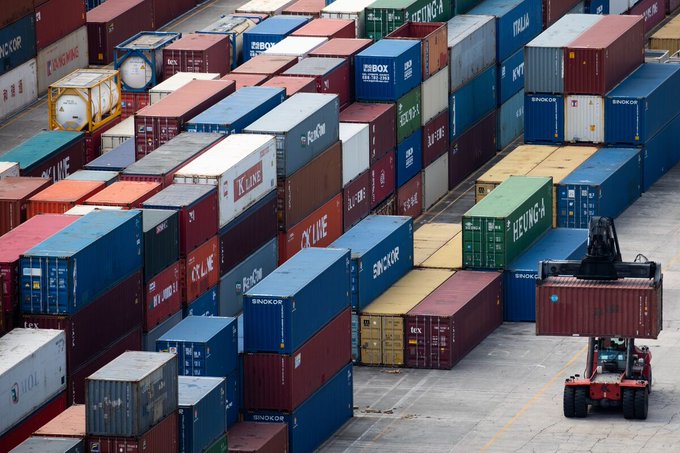
South Korea’s exports in September experienced a significant decline, reflecting ongoing challenges faced by the country’s trade-dependent economy. The sharp drop in early exports signals potential vulnerabilities amid evolving international trade tensions and policy developments. This downturn raises concerns among economic analysts about the resilience of South Korea’s export sector, which has historically been a key driver of its economic growth.
The decrease is partly attributed to increased tariffs imposed by the United States, which have created obstacles for South Korean shipments to the American market. U.S. tariff policies have a substantial impact on South Korea’s exports of semiconductors, automobiles, and other key goods. As a result, manufacturers are adjusting their supply chains and exploring new markets amid the changing trade landscape.
Economic officials and industry leaders are closely monitoring these shifts, emphasizing the need for diversification and innovation to mitigate dependency on traditional trade routes. Meanwhile, the government has signaled intentions to support exporters through policy measures aimed at enhancing competitiveness and exploring new trade agreements. The trend underscores the broader geopolitical tensions that continue to influence global trade flows and South Korea’s economic outlook.