
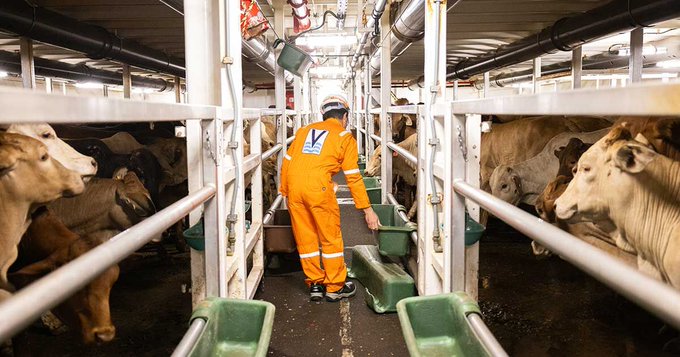
Five years after the sinking of the Gulf Livestock 1, industry leaders and stakeholders are reflecting on the event as a pivotal moment for farm animal exports. The vessel, which was carrying thousands of cattle, capsized in 2019 amid a severe storm, resulting in the loss of lives and raising widespread concerns over the safety and ethics of live animal transport by sea.
The incident prompted calls for stricter regulations and improved safety measures across the industry, highlighting vulnerabilities in vessel design, emergency protocols, and animal welfare standards. In the aftermath, several countries and shipping companies implemented new policies aimed at preventing similar tragedies and ensuring better oversight of live export operations.
However, there are concerns that some of the lessons learned during this crisis are being overlooked or forgotten as industry practices evolve. Critics warn that complacency or cost-cutting could undermine recent reforms, potentially risking another disaster and compromising animal welfare. Advocacy groups continue to urge stricter enforcement of regulations and greater transparency in the industry.
As the fifth anniversary approaches, industry stakeholders emphasize the importance of maintaining the momentum toward safer, more humane export practices. While progress has been made, experts caution that ongoing vigilance is essential to prevent a recurrence of such tragic events and to uphold ethical standards in live animal transportation.