
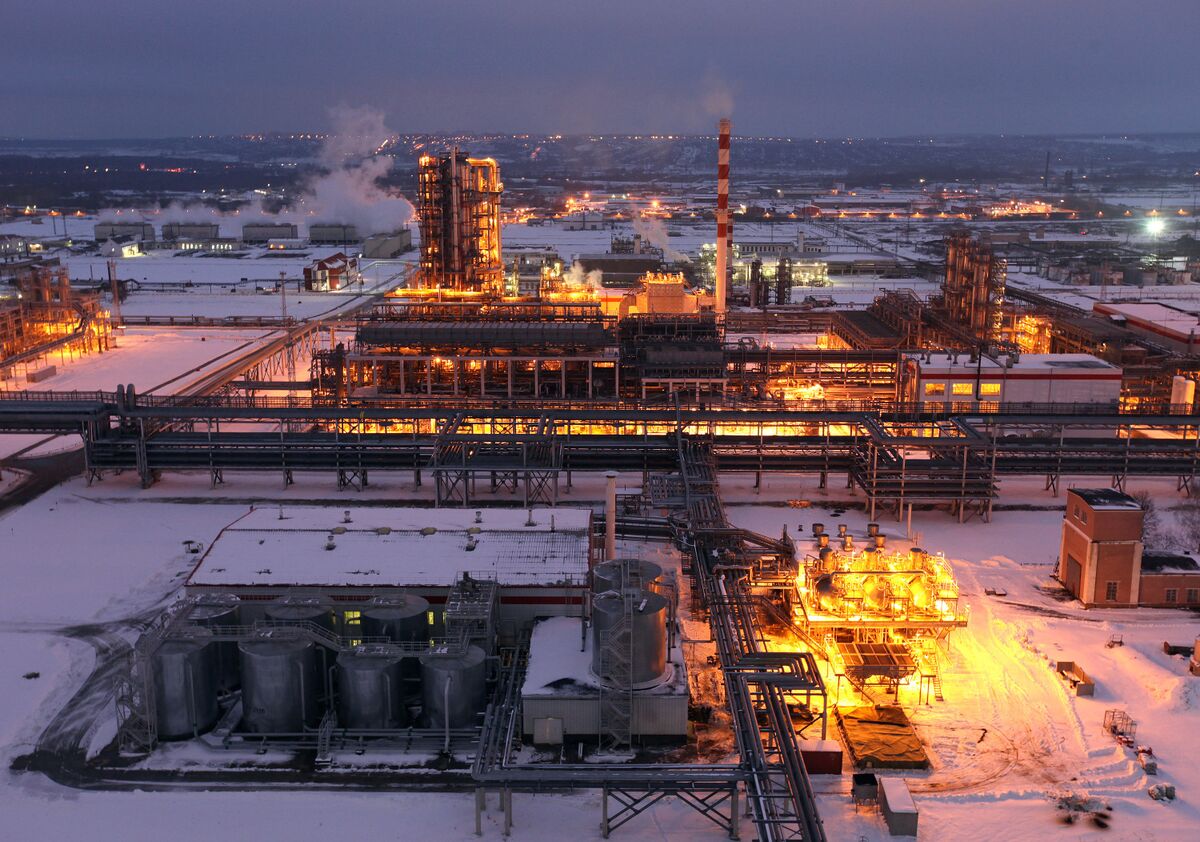
The United States’ sanctions targeting Russia’s two largest crude oil producers officially took effect on November 21, marking a significant development in the ongoing geopolitical and economic conflict. The measures aim to restrict Russia’s oil exports by limiting access to U.S. financial systems and severing certain commercial ties, with the goal of exerting economic pressure on Moscow.
Analysts are closely monitoring the potential impact on global oil markets, as Russia is one of the world’s leading energy producers. The sanctions could reduce the supply of Russian crude, potentially leading to higher prices worldwide. However, market responses remain uncertain, depending on how other oil-producing nations and global supply chains adjust in the coming weeks.
The sanctions also come amid broader discussions about energy security and the stability of global markets. Governments and industry stakeholders are weighing the risks of supply disruptions against the political objectives behind the sanctions. While some experts suggest that markets may absorb the shocks, others warn that oil prices could experience substantial volatility if supplies tighten significantly.
As the situation develops, energy markets, policymakers, and consumers will be watching closely to gauge the long-term consequences of the sanctions. The move underscores the ongoing intersection of geopolitics and global commodity markets, with broader implications for international relations and economic stability.