
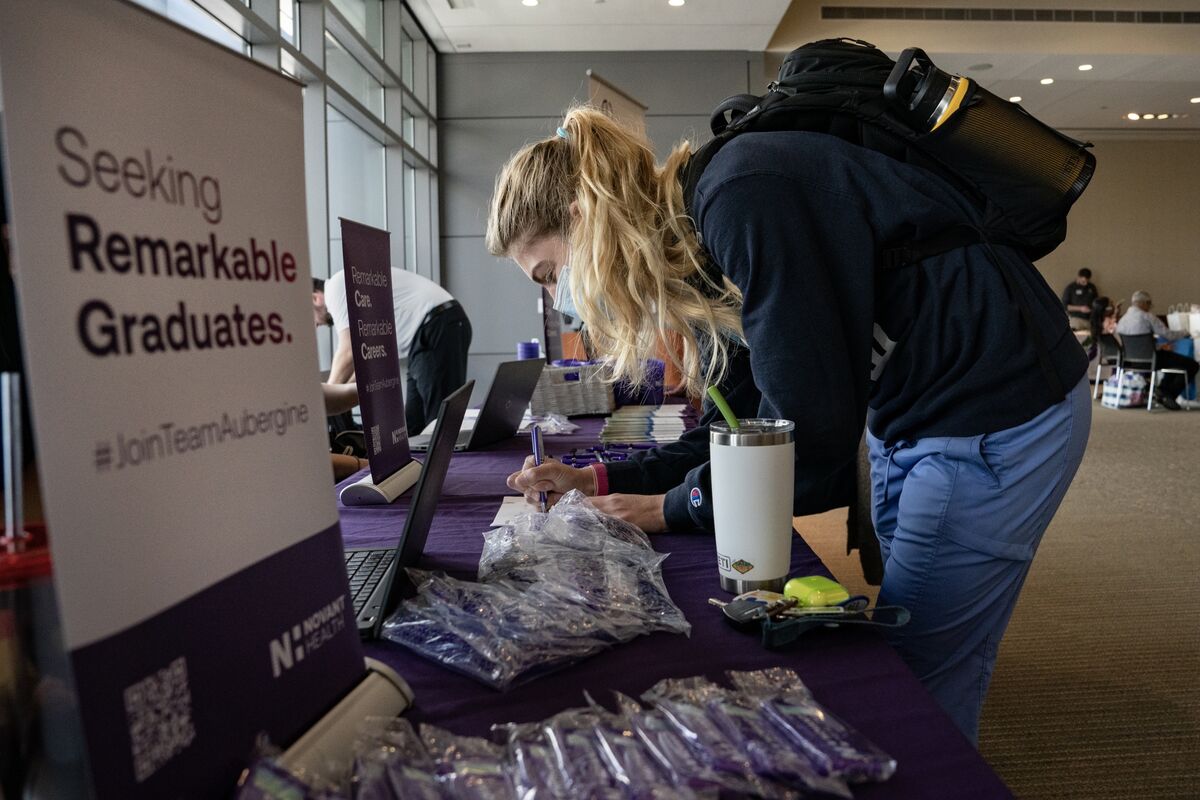
Recent research from the Federal Reserve Bank of Cleveland indicates that the traditional employment advantage held by college graduates is diminishing. Historically, individuals with a college degree have secured jobs more quickly than those with only a high school diploma. However, new data suggests that this gap is narrowing, and college graduates are no longer necessarily experiencing shorter unemployment durations.
The study points to changing labor market dynamics, including shifts in industry demands and the evolving nature of work, which may be contributing to the reduced premium for higher education. Factors such as increased competition and economic fluctuations could be impacting the employment prospects for recent graduates.
Experts note that these findings underscore the importance of reevaluating the value placed on different levels of education in employment opportunities. While a college degree remains beneficial in many fields, the changing landscape suggests that skill development and experience may be increasingly vital for job prospects.
This shift has implications for students, educators, and policymakers alike, highlighting the need to adapt workforce strategies to current economic realities. As the economic environment continues to evolve, understanding these trends will be crucial for making informed career and education decisions.