
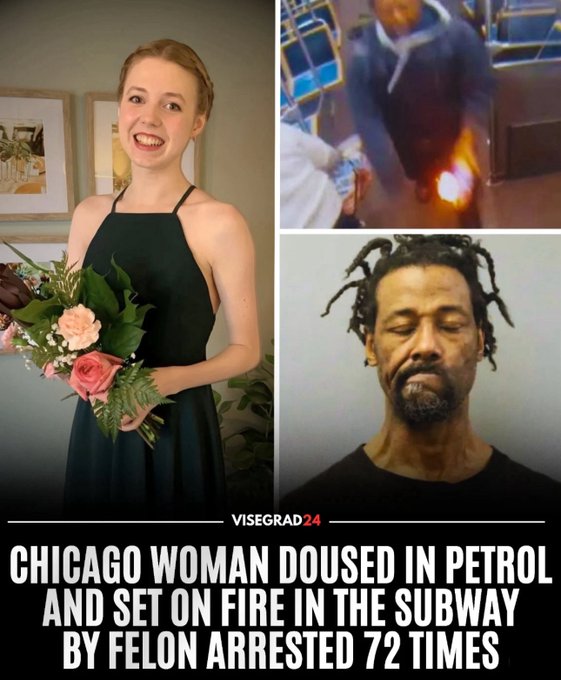
Amid ongoing concerns about public safety in Western countries, some voices are questioning the effectiveness of current criminal justice policies. Critics argue that despite efforts to reduce prison populations and adopt alternative approaches, violent incidents and tragedies continue to impact communities. This debate highlights the balancing act between rehabilitating offenders and ensuring the safety of citizens.
Advocates for stricter enforcement and increased incarceration contend that tougher measures are necessary to deter crime and prevent future tragedies. They point to recent incidents that could have been mitigated through more rigorous policing or longer sentences, emphasizing the need for policies that prioritize security over leniency. Conversely, proponents of reform emphasize addressing root causes of crime, such as social inequality and mental health issues, aiming for sustainable, long-term solutions.
Public opinion remains divided, with ongoing discussions about the best approach to crime prevention. Policymakers are facing pressure to find solutions that protect communities without compromising civil liberties. As Western nations continue to grapple with these complex issues, the question persists: how many more tragedies must occur before a consensus on effective criminal justice strategies is reached?