
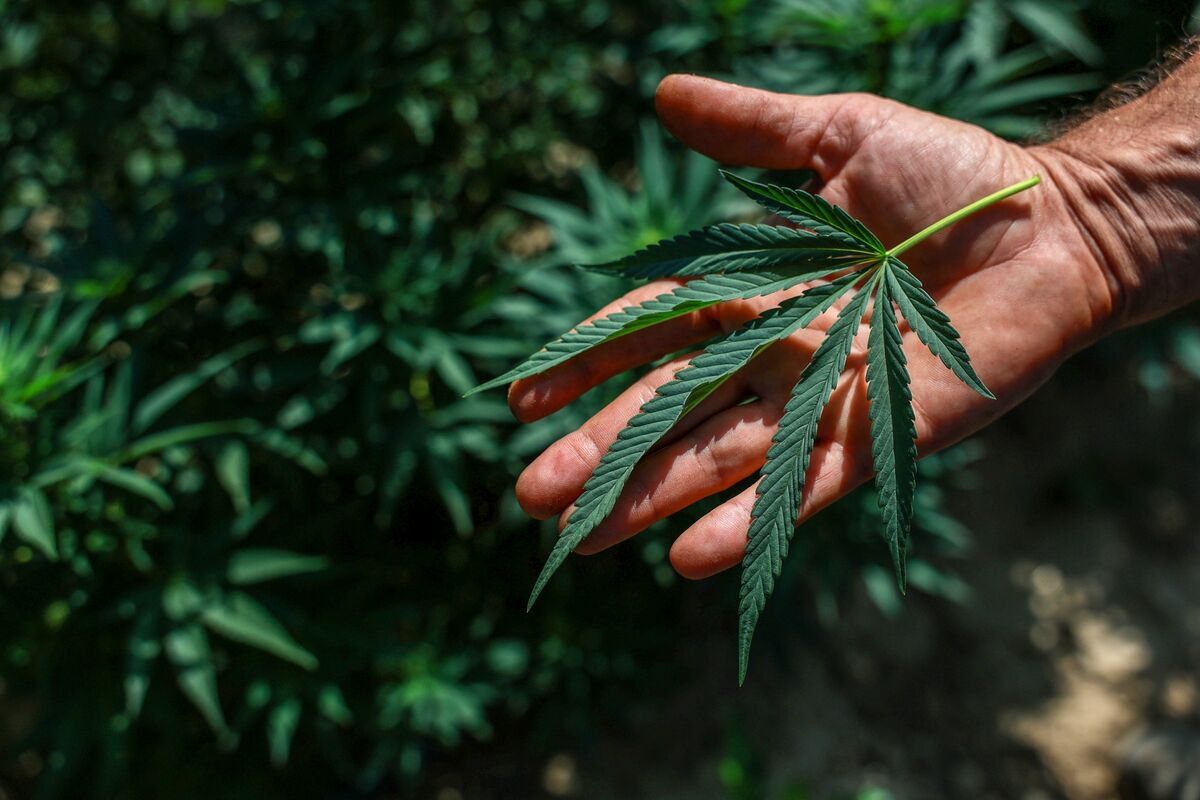
President Donald Trump has signed an executive order directing federal agencies to re-evaluate the classification of cannabis, moving it into a less restrictive category under federal law. The order signals a potential shift in the federal government’s approach to cannabis regulation, which has historically classified the drug as a Schedule I substance, indicating high potential for abuse and no recognized medical use.
The executive action instructs agencies such as the Drug Enforcement Administration (DEA) and the Department of Health and Human Services (HHS) to review current regulations and consider reclassifying cannabis to less restrictive schedules. This move could streamline research efforts, impact enforcement priorities, and influence state-level legalization efforts across the country.
Legal experts note that while the executive order sets a federal review process in motion, it does not automatically change the legal status of cannabis. Congressional action would still be required to amend federal law definitively. The announcement has elicited mixed reactions, with supporters arguing it could lead to broader medicinal and recreational cannabis acceptance, while opponents express concerns about potential increases in use.
The decision arrives amid ongoing debates over cannabis legislation and the growing number of states legalizing medical and recreational use. The administration has indicated that the review aims to align federal policies more closely with state laws and evolving public attitudes, although specifics on timing and outcomes remain to be seen.