
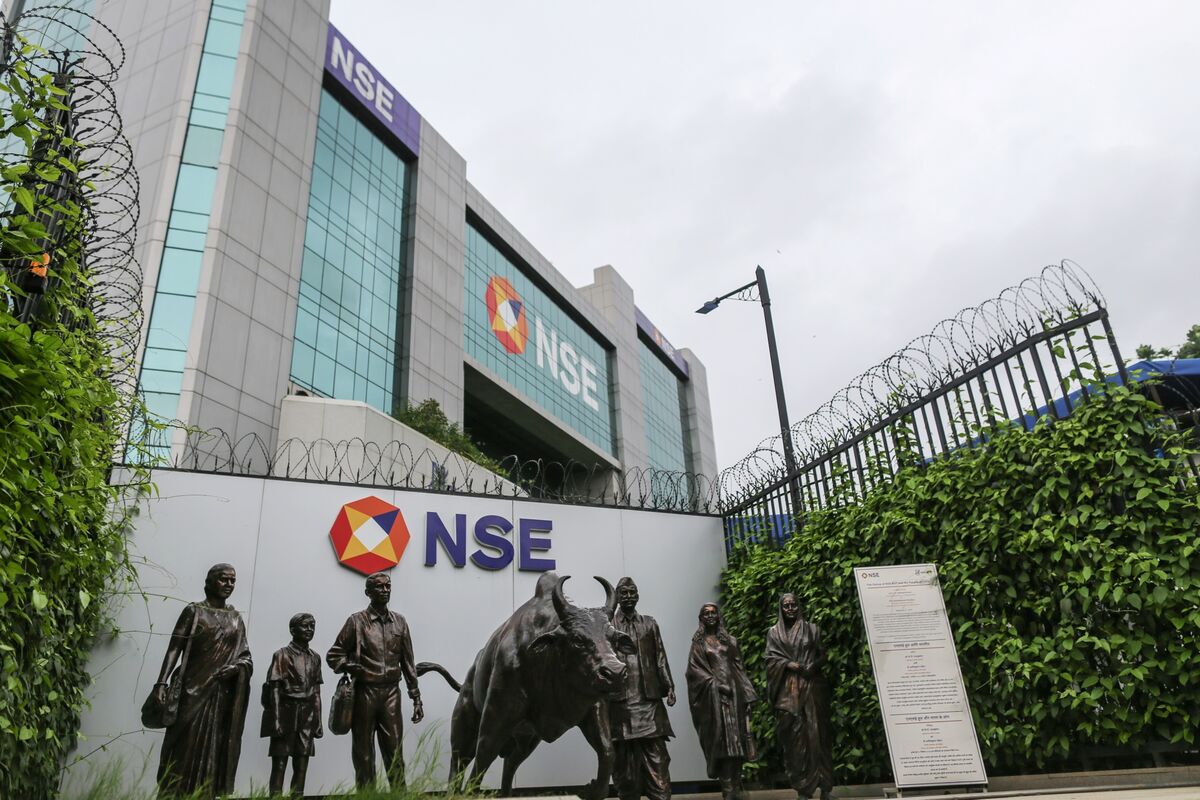
India’s stock market has recently been identified as one of the most tranquil among global markets. This unprecedented calmness has attracted attention from investors and traders alike, as volatility levels have significantly diminished compared to historical patterns. Experts suggest that this sustained period of stability reflects underlying economic confidence, though it also raises questions about market dynamics.
The subdued market environment is prompting market participants to revisit their strategies, particularly within the expansive derivatives sector. Traders and hedge fund managers are reassessing risk models and trading approaches, as the typical price swings that often define Indian equities have noticeably subdued. Some analysts believe that such low volatility might lead to decreased opportunities for profit, encouraging traders to explore alternative instruments or strategies.
Market analysts note that this calm period could be driven by various factors, including consistent foreign investment inflows, stable macroeconomic indicators, and cautious investor sentiment. While the serenity offers a respite from past turbulence, it also presents unique challenges for active traders seeking to capitalize on short-term price movements. As the market remains unusually placid, stakeholders are closely monitoring whether this tranquility persists or if volatility could reemerge, shaping strategies for the near future.