
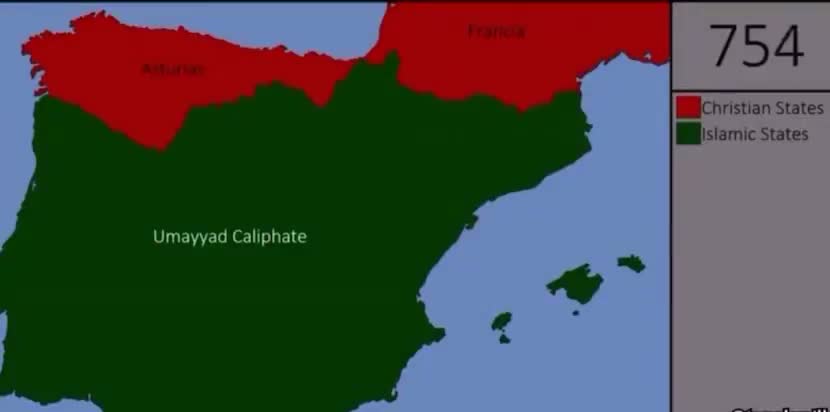
Today marks the 534th anniversary of the fall of the Emirate of Granada, a pivotal event in Spanish history that signaled the conclusion of the Reconquista. The Emirate of Granada, the last Muslim stronghold in the Iberian Peninsula, fell to the Catholic Monarchs, Ferdinand and Isabella, in 1492 after a lengthy siege. This event led to the unification of Spain under Christian rule and had lasting cultural and political implications for the region.
The fall of Granada is often regarded as a significant milestone, symbolizing the end of centuries of Muslim presence in the Iberian Peninsula. It also marked the beginning of an era of increased religious consolidation and exploration, culminating in Columbus’s voyage to the New World later that year. The event is commemorated in various ways across Spain and highlights a key moment in the country’s complex history of coexistence and conflict.
While the historical significance of the event is widely acknowledged, modern perspectives tend to focus on its diverse impacts. The reconquest led to the eventual expulsion of the Muslim and Jewish populations from Spain and shaped the cultural landscape of the nation. Today, the anniversary serves as a reminder of a transformative period that ultimately shaped Spain’s national identity.
Throughout the day, various cultural and historical activities are held to honor and reflect on the events of 1492. Scholars, historians, and the general public often participate in discussions and exhibitions aimed at exploring the rich multicultural legacy of the Iberian Peninsula and its historical intersections.