
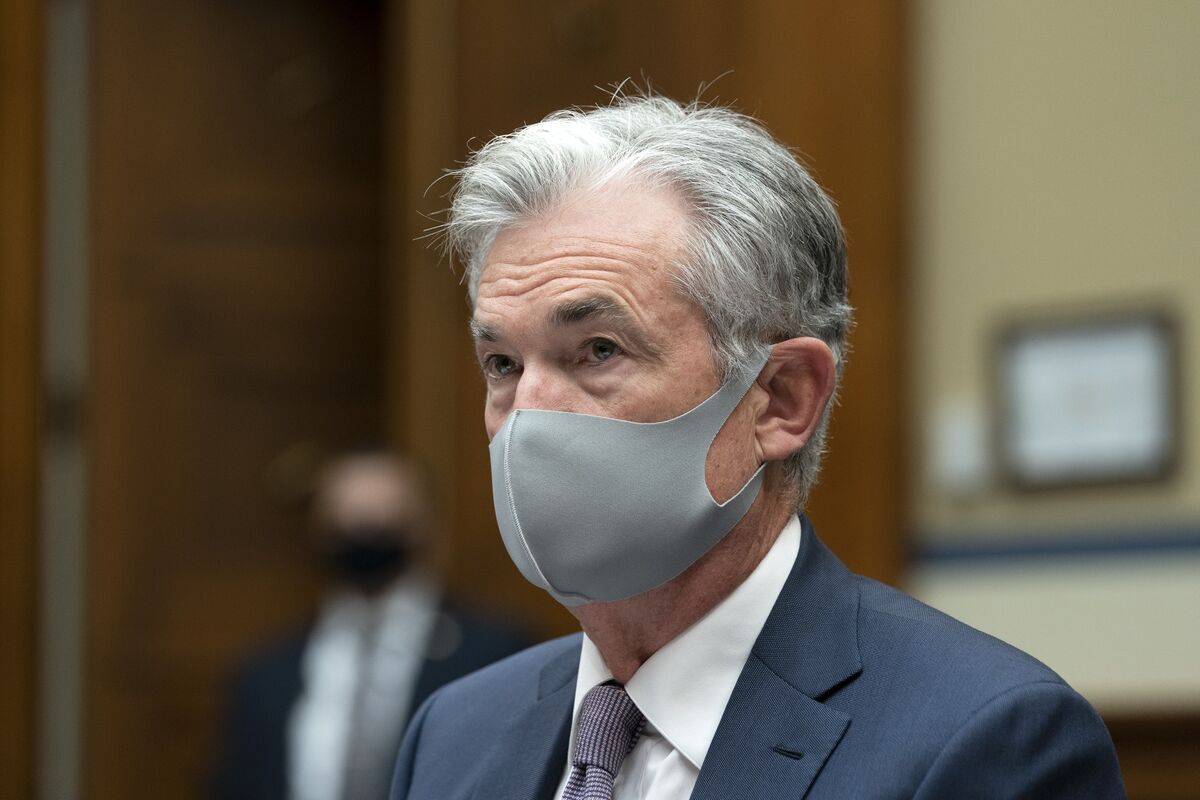
In 2020, Federal Reserve Chair Jerome Powell advocated for a shift in how the central bank provided guidance on interest rates. The goal was to improve transparency and manage market expectations more effectively during a period of economic uncertainty caused by the COVID-19 pandemic. The Fed began emphasizing longer-term guidance, indicating that interest rates would remain low until certain economic benchmarks, such as employment and inflation targets, were met.
However, some market observers and policymakers later expressed concerns about the effectiveness of these guidance strategies. Critics argued that the approach sometimes created confusion or implied commitments that proved difficult to uphold. As the economy evolved, the initial optimism surrounding the guidance measures faced challenges, with actual interest rate adjustments becoming more complicated amid changing economic conditions.
By 2023, some analysts suggested that Powell himself had come to regret certain aspects of the guidance strategy implemented in 2020. They pointed to the difficulty of promising sustained low rates in an uncertain recovery and the potential for such guidance to influence market behavior in unintended ways. Despite the criticisms, the Fed has continued to adapt its communication tactics in response to evolving economic realities.
Overall, Powell’s push for interest-rate guidance in 2020 highlighted the complexities of central bank communication during a crisis. While the strategy aimed to stabilize markets and support economic recovery, its long-term efficacy remains subject to debate, illustrating the challenges policymakers face in navigating the balance between guidance and flexibility.