
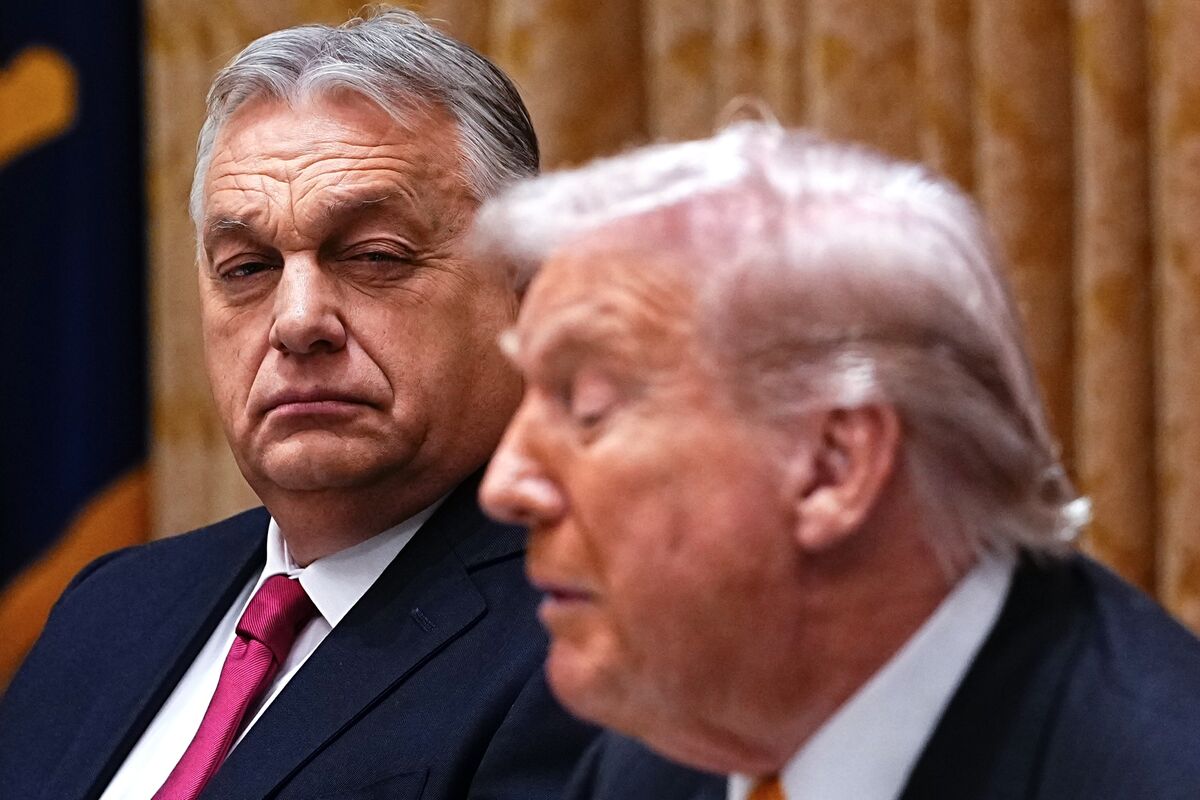
Hungary’s long-dominant Prime Minister Viktor Orban faces a significant challenge ahead of the April parliamentary elections, as opposition parties gain ground in recent polls. Orban’s political brand, often characterized as “illiberal,” has shaped Hungary’s domestic and foreign policies over the past decade, raising concerns among critics about democratic backsliding and rule of law issues.
The current electoral landscape shows a tightening race, with opposition alliances closing the gap on Orban’s ruling party, Fidesz. A rival party has recently overtaken Fidesz in some key surveys, signaling a potential shift in public sentiment. If these trends persist, they could threaten Orban’s continued hold on power, which has been sustained through a combination of electoral strategies, media control, and nationalist messaging.
Analysts are watching closely to see if the opposition can maintain its momentum and secure a victory in April. Historically, Orban has demonstrated resilience, but the changing poll numbers suggest the “illiberal” stronghold may be at a crossroads. The outcome could have significant implications not only for Hungary’s domestic policies but also for its relations within the European Union, where Orban’s governance has occasionally strained Brussels-Hungary relations.
As the election approaches, political observers remain cautious in predicting the final result. However, the recent polling shifts mark a notable moment in Hungary’s political scene, potentially signaling the end of Orban’s dominance if voters continue to lean towards the opposition in the coming months.