
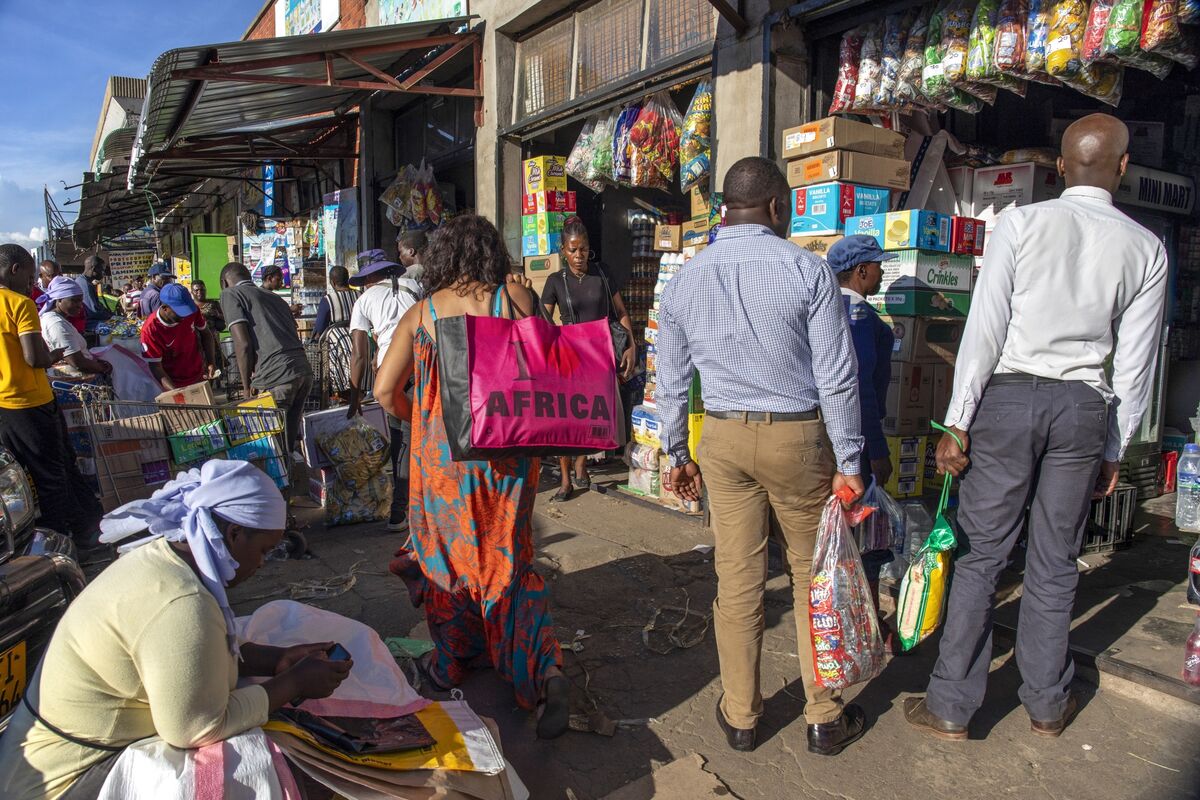
Zimbabwe has reported a significant reduction in its annual inflation rate, dropping into single digits for the first time since 1997. This marked decline is seen as a crucial step toward stabilizing the country’s economy and restoring investor confidence. Officials attribute the decrease to recent monetary policies and economic reforms aimed at controlling inflation and stabilizing the local currency.
The government has emphasized that maintaining low inflation is vital for its broader economic plans, including the adoption of the gold-backed Zimbabwean dollar (ZiG) as the nation’s sole currency by 2030. Authorities believe that a stable inflation rate will facilitate this transition, supporting the country’s efforts to establish a more resilient financial system and reduce dependence on foreign currencies.
Economists note that while the move to single-digit inflation is promising, continued efforts are necessary to sustain this trend and ensure economic stability. They also highlight that external factors, such as global commodity prices and regional economic conditions, could influence Zimbabwe’s inflation trajectory moving forward.
Overall, Zimbabwe’s recent inflation figures are seen as a positive development in its economic reform journey. The government remains committed to its long-term currency strategy, emphasizing gradual progress and the importance of sound monetary policies in achieving financial stability for the country.