
Published 2026-06-04
Summary: The United States has confirmed a case linked to the New World screwworm, a deadly parasitic threat affecting cattle and humans, marking the first such confirmation in the U.S. in nearly a decade. Authorities note the traveler-related case and emphasize ongoing vigilance as the U.S. livestock herd faces pressures from various factors.
What We Know
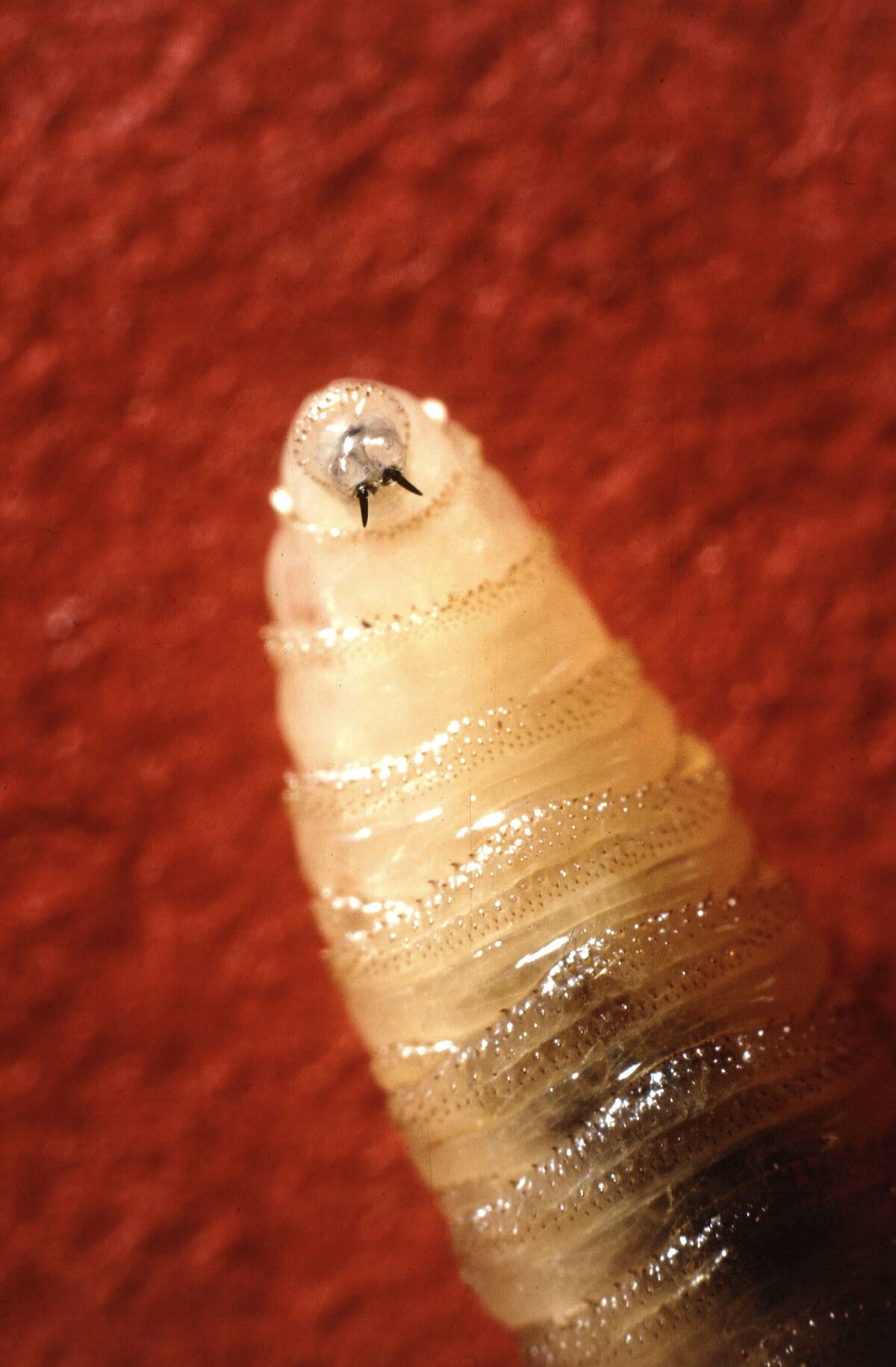
- The New World screwworm (NWS) is described as a flesh-eating parasite that can affect cattle and humans.
- There has been a confirmed case linked to a U.S. traveler returning from El Salvador, according to reporting on the situation.
- U.S. federal and veterinary sources are monitoring the status of NWS in the United States, Mexico, and Central America, with updates on detection and containment being shared publicly.
- Public health and veterinary authorities have expressed concern about the potential impact on livestock health and trade, given the pest’s history and the current low level of some U.S. herd metrics.
- Media coverage indicates ongoing attention from health and agriculture agencies to prevent spread and manage risks to cattle and humans alike.
What’s Still Unclear
- Whether there is an established domestic outbreak beyond the traveler case or ongoing community transmission within the United States.
- Specific details on the geographic location, number of animals affected, or the containment measures implemented in response.
- How this development might influence cattle imports, exports, or broader agricultural policy in the near term.
- Exact status updates from U.S. authorities regarding current surveillance and verification efforts.
- Any planned or ongoing vaccination, treatment, or biosecurity campaigns tied to this incident.
Context
New World screwworm has historically been a serious livestock and human health concern in parts of the Americas. Authorities monitor for detections, coordinate cross-border surveillance, and issue guidance to veterinarians and farmers to prevent introductions and limit spread. The broader agricultural sector continues to navigate challenges affecting herd health, production costs, and trade dynamics.
Why It Matters
A confirmed case of a deadly cattle parasite underscores ongoing biosecurity and animal-health vigilance in the United States. The health of the livestock sector is tied to economic stability, farm viability, and consumer confidence, particularly when a high-risk parasite poses threats to cattle health and potential human exposure.
What to Watch Next
- Official updates from agricultural and health authorities on the status of New World screwworm in the United States.
- Details on containment measures, surveillance enhancements, and any changes to livestock movement policies.
- Any new guidance for veterinarians, ranchers, and producers regarding detection, reporting, and treatment.
- Public health communications about potential human exposure risk and protective steps.
FAQ
Q: What is the New World screwworm?
A: It is described as a flesh-eating parasite affecting cattle and humans, with a history of causing serious health issues in livestock and people.
Q: How did the case reach the United States?
A: The case is reported in connection with a U.S. traveler who had recently been in El Salvador.
Related coverage
- BNB technical analysis: Market Outlook with ETF Flows (2026)
- Singapore US swap rate gap widening to record as inflows
- Poland military procurement record: $33B in 62 defense deals
Source Transparency
- This article is based on a short preliminary brief and may not reflect the full details available in ongoing reporting.
- Source links are provided in the Sources section where available.
- A limited open-web check was used to clarify key details when possible; unclear items remain clearly marked.
Original brief: A deadly cattle parasite was confirmed in the US for the first time in nearly a decade, posing the latest threat to a US herd already at its lowest level in 75 years…
Sources
- Current Status of New World Screwworm | Screwworm.gov
- Tiny parasite ravages Mexican cattle exports to the U.S.
- CDC Confirms First US Case of Deadly Screwworm Parasite
- Screwworm closer to US border, threatening Texas cattle industry
- Killer parasite poses threat to Texas cattle industry – NBC 5 Dallas …