
The United States has reported its first human case of flesh-eating screwworm in several decades, marking a significant development in public health and agricultural sectors. The case involves a patient with a wound infested by the parasitic fly, prompting health officials to monitor the situation closely. Flesh-eating screwworm, caused by the parasitic fly Cochliomyia hominivorax, is known for its destructive larvae that feed on living tissue, leading to severe infections if untreated.
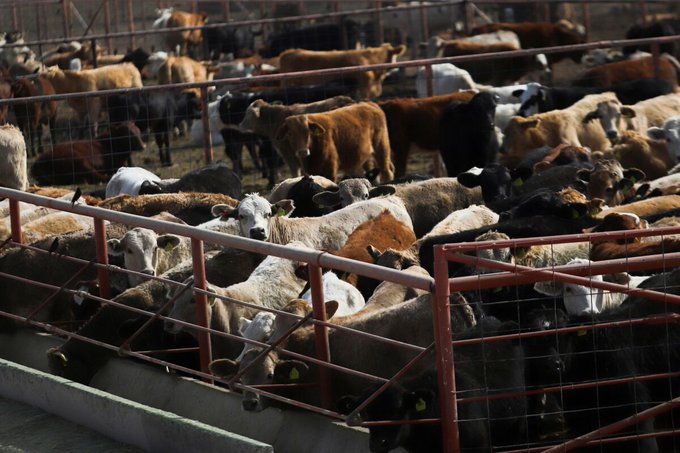
Historically, the screwworm was eradicated from the U.S. through extensive control programs but remains a concern in parts of Central America and the Caribbean. The recent human case has raised alarms among health authorities and livestock industries, as the parasite is notorious for affecting warm-blooded animals, particularly cattle. The cattle markets are closely watching the developments to assess potential impacts on livestock health and trade.
Experts emphasize that the risk of widespread outbreaks remains low, especially with prompt medical treatment and ongoing surveillance measures. Nonetheless, the incident underscores the importance of vigilance in preventing re-establishment of screwworm populations within the U.S. and highlights the need for continued eradication and control efforts to protect both public health and the agricultural economy.