
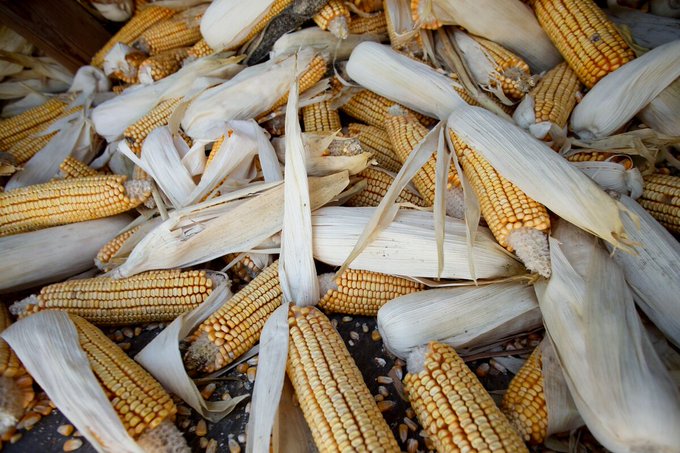
Thailand has announced a ban on the import of animal-feed corn produced from agricultural burning, as part of efforts to address escalating cross-border pollution. The government aims to reduce the transboundary haze that frequently affects the region, particularly during dry seasons when crop burning intensifies.
The move is expected to target corn that is cultivated through practices involving the burning of crop residues, a common method farmers use to clear fields quickly. By prohibiting the import of such feed, Thai authorities hope to discourage practices contributing to smoke and haze pollution that impacts neighboring countries.
Environmental and health concerns surrounding agricultural burning have intensified regional discussions on pollution control. The ban aligns with broader efforts by Thailand and neighboring nations to curb haze-causing activities and promote more sustainable farming methods. Implementation details and timelines have yet to be fully outlined, but officials indicate that the policy could influence agricultural supply chains and regional trade dynamics.
This recent policy underscores Thailand’s commitment to tackling regional environmental challenges and highlights ongoing efforts to improve air quality while balancing agricultural interests. The effectiveness of the ban will depend on enforcement and cooperation among local farmers, importers, and regional stakeholders.