
The Trump administration has begun the next phase of its strategy in Venezuela, aiming to exert increased influence over the country’s political and economic affairs. This shift aligns with broader efforts to challenge the Maduro government and support opposition forces, though the United States has not officially taken control of the country’s governance.
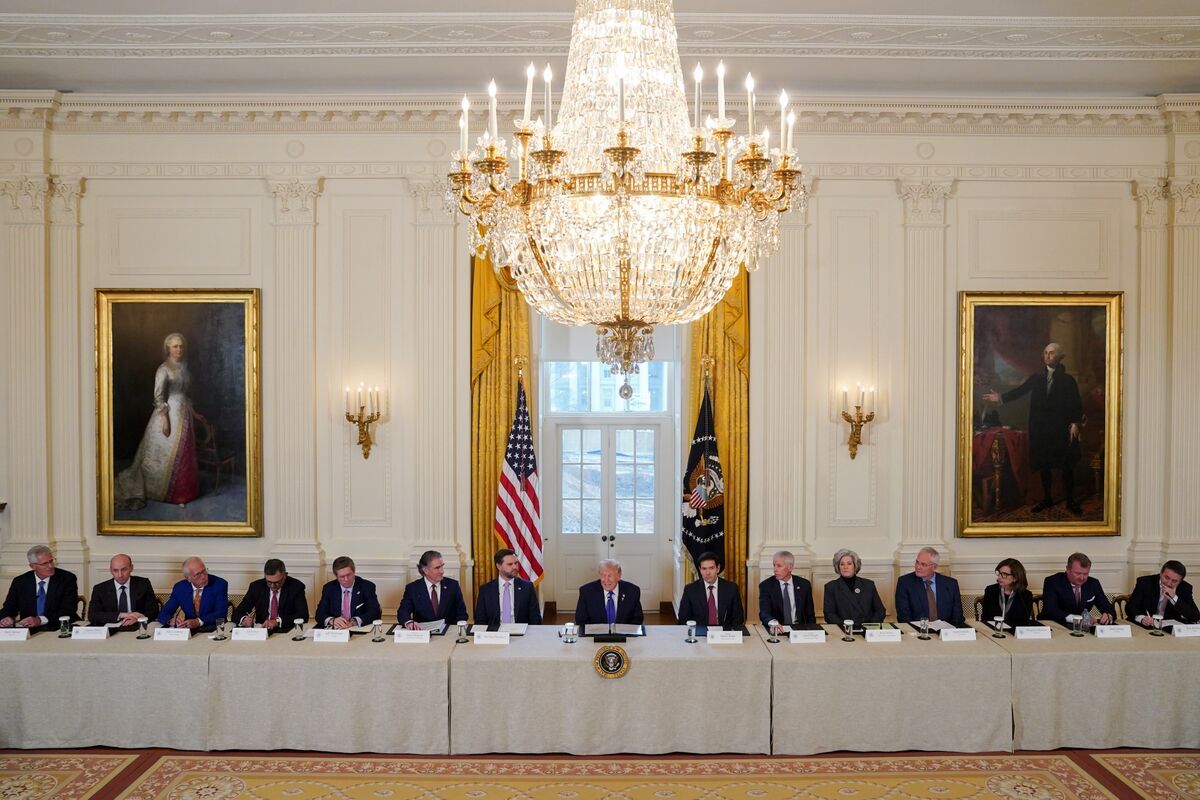
In a recent statement, President Donald Trump urged U.S. and international oil companies to enhance their involvement in Venezuela’s oil industry, emphasizing the country’s vast reserves as a critical resource. The administration sees the country’s oil sector as a key leverage point in applying pressure on Maduro’s regime and potentially rebuilding economic stability.
The move has drawn mixed reactions. Supporters argue that increased engagement could help restore democracy and stabilize the Venezuelan economy. Critics, however, warn that such efforts could escalate tensions and complicate diplomatic relations, especially with countries that maintain strong ties to Venezuela’s government.
This development marks a significant escalation in U.S. policies toward Venezuela, reflecting a broader strategy to influence the country’s direction amid ongoing political unrest and economic crisis. As the situation unfolds, international observers will be watching closely for potential impacts on regional stability and global oil markets.