
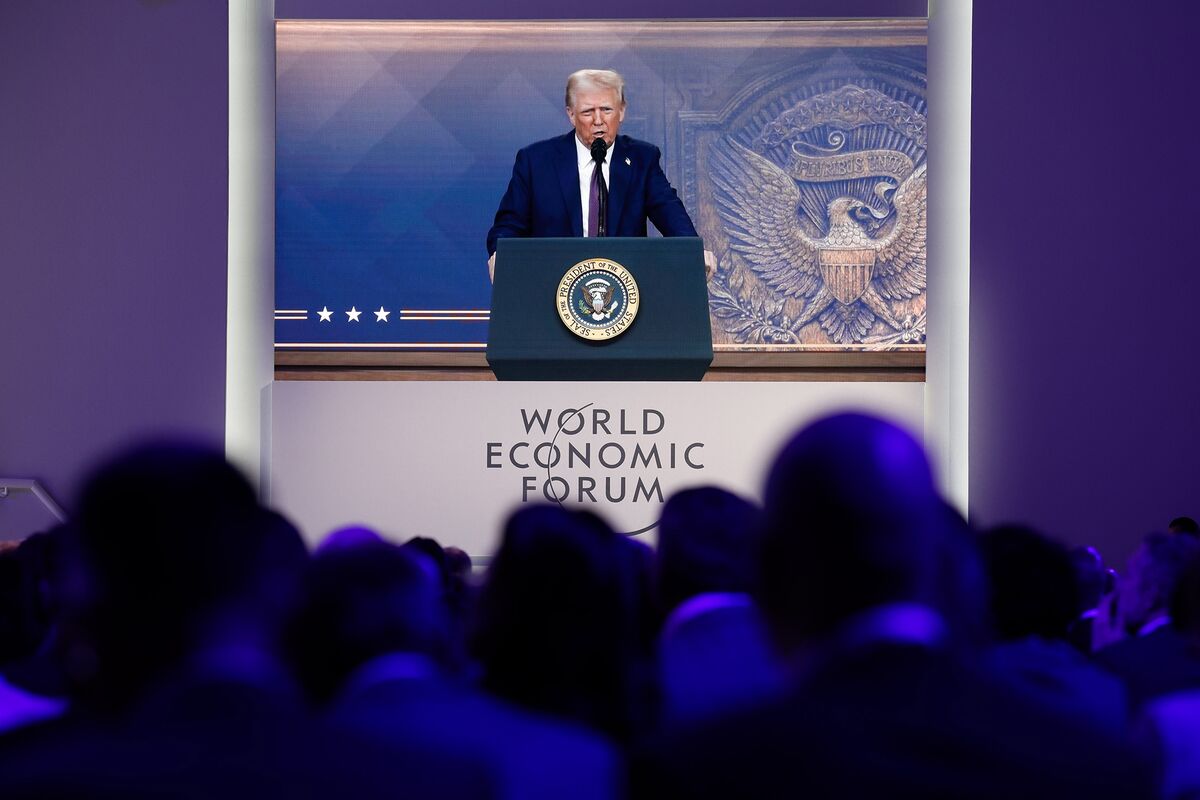
Amid ongoing geopolitical and economic uncertainties, many top executives and global leaders are heading to Davos for this year’s World Economic Forum. The event, which attracts prominent figures from politics, business, and civil society, is increasingly viewed as a battleground for influence and economic strategy.
The focus appears to be on addressing the fallout from recent political chaos, notably linked to former President Donald Trump’s tenure, which has been described as chaotic by some analysts. This has prompted a surge in interest among the world’s elite, who see the gathering as an important platform to navigate a landscape characterized by inequality and uncertainty.
Many attendees are deliberating on issues such as economic resilience, climate change, and technological innovation, while also reflecting on how recent political shifts impact global stability. The phrase “survival of the richest” has been used to describe concerns about widening economic disparities and the influence of the wealthiest in shaping future policies and markets.
As the forum unfolds, industry leaders and policymakers are expected to discuss strategies to manage the evolving challenges, emphasizing a mix of cautious optimism and strategic maneuvering to maintain influence and stability in a rapidly changing world.