
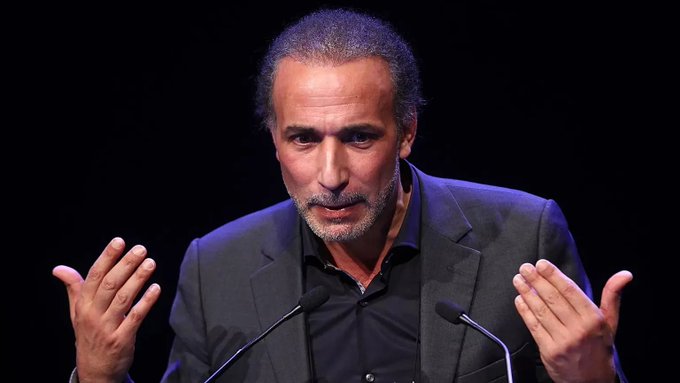
Switzerland’s highest court has upheld the conviction of Tariq Ramadan, the prominent Islamic scholar and former Oxford professor, on charges related to sexual assault. Ramadan, whose grandfather founded the Muslim Brotherhood in 1928, was previously found guilty in a lower court and has now faced confirmation of his conviction through the appeals process.
The case has garnered international attention due to Ramadan’s prominence as a leading voice in Islamic thought and his influence in academic and religious circles. The legal proceedings concerned allegations of sexual misconduct, which he has denied. The Swiss court’s decision affirms his conviction, ensuring that the legal process concludes with the ruling now legally binding.
Ramadan’s case has been closely followed by supporters and critics alike, reflecting broader debates about accountability and conduct among influential figures. While he remains a significant figure in discussions on Islam and Western societies, the court’s decision clarifies his legal status regarding the charges. Ramadan’s legal team has indicated they may pursue further legal options, but as of now, the conviction stands.
This development marks a significant chapter in Ramadan’s personal and professional life, asserting that the judicial system has upheld its findings. The case continues to attract attention, underscoring ongoing conversations about justice and accountability within the context of high-profile figures.